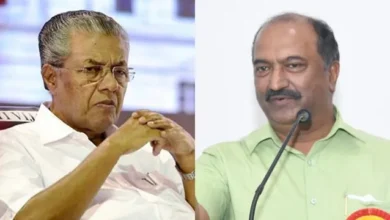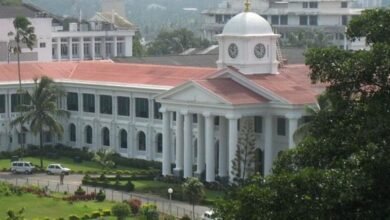
THIRUVANANTHAPURAM, November 24, 2025 — The political landscape of Kerala has seen a dramatic shift since the historic re-election of the Left Democratic Front (LDF) government in 2021. According to an analysis of electoral outcomes, the Opposition United Democratic Front (UDF) has achieved a stunning 93% victory rate in major elections held over the last four years, while the ruling LDF, directly led by Chief Minister Pinarayi Vijayan, has reportedly been relegated to a 0% success rate.
The data suggests a significant erosion of public support for the LDF, marking a series of crushing defeats for the front led by the Chief Minister.
The UDF Resurgence and LDF’s Electoral Drought
Political victories are the ultimate barometer of public opinion, and by this metric, the opposition UDF has overwhelmingly dominated. The analysis highlights that in every significant by-election and general election since 2021, the UDF has emerged victorious, signaling a powerful anti-incumbency wave.
Under the leadership of V. D. Satheesan, the UDF successfully rebranded itself as ‘Team UDF’, capitalizing on growing discontent against the government.
Key Electoral Milestones since 2021:
- By-Elections: The UDF swept nearly all key by-elections, securing record margins in constituencies like Thrikkakara, Puthuppally, Nilambur, Palakkad, and Wayanad. While the LDF managed to retain the Chelakkara seat, the UDF significantly slashed the LDF’s 2021 majority of 40,000 votes down to just 12,000, demonstrating a clear shift in momentum.
- 2024 Lok Sabha Election: The UDF delivered a decisive victory in the national polls, capturing 18 out of the 20 Lok Sabha seats in the state. The LDF’s sole triumph was in Alathur, attributed largely to the personal popularity of K. Radhakrishnan, further highlighting the party’s dependence on individual charisma rather than front-wide appeal.
Factors Behind the LDF’s Downfall
The dramatic fall from grace for the LDF is attributed to a combination of internal issues and public alienation. Political commentators point to widespread anti-incumbency fueled by the perceived arrogance of the Chief Minister and alleged mismanagement.
Furthermore, controversies surrounding the cabinet reshuffle, particularly the inclusion of the Chief Minister’s son-in-law, P. A. Muhammad Riyas, while sidelining experienced veterans, reportedly resulted in an ineffective council of ministers that failed to deliver governance.
The mounting political pressure has also been exacerbated by major corruption allegations. The Chief Minister’s legacy is now increasingly entangled with the Sabarimala Gold Smuggling case, a major scandal that saw multiple CPI(M) leaders jailed and which critics argue will define his place in history.