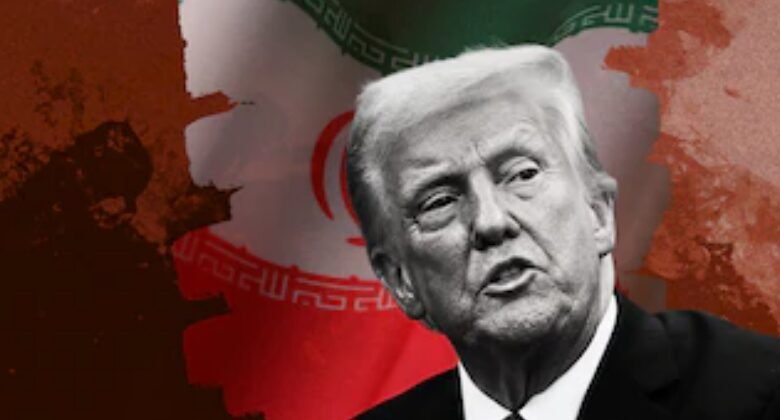
WASHINGTON D.C. – In a dramatic midnight reversal that has sent shockwaves through global energy markets, President Donald Trump announced a two-week suspension of planned military strikes against Iran. The decision comes after what the White House describes as a “breakthrough” agreement in which Tehran has reportedly committed to the “complete and immediate” reopening of the Strait of Hormuz.
The announcement follows a tense 48-hour ultimatum that had the world bracing for a massive escalation. U.S. forces were reportedly “locked and loaded” to target Iranian civil infrastructure, including power plants and bridges, if the strategic waterway—responsible for 20% of the world’s oil flow—remained blocked.
A High-Stakes Diplomatic Gamble
Speaking from the White House late Tuesday, President Trump signaled a shift from “maximum pressure” to a temporary window for diplomacy. “Iran has agreed to the complete, immediate opening of Hormuz,” Trump stated. “Because of this progress, and to save potentially millions of lives, I am pausing all scheduled strikes for two weeks to see if they follow through on their word.”
The deal, reportedly brokered through Pakistani and Omani intermediaries, aims to end a six-week maritime blockade that has pushed Brent crude prices above $115 a barrel and triggered a global energy crisis reminiscent of the 1970s.
The Terms of the ‘Pause’
While the White House is hailing the move as a victory, the situation remains precarious. According to administration sources, the two-week “pause” is contingent on three key factors:
- Unrestricted Passage: Commercial vessels must be allowed to transit the Strait without harassment, “fees,” or IRGC interference.
- De-mining Operations: Iran must cooperate with international monitors to ensure safe passage and the removal of naval mines.
- Formal Negotiations: Both nations are expected to enter high-level talks in a neutral location to discuss a permanent ceasefire and regional security.
Mixed Signals from Tehran
Despite Trump’s optimistic tone, state-linked media in Tehran has offered a more cautious narrative. While Iranian officials confirmed a temporary de-escalation, they emphasized that any permanent reopening of the Strait is tied to the total cessation of U.S. and Israeli hostilities and the lifting of recent “war-time” sanctions.
”The Strait will be open to those who respect our sovereignty,” a spokesperson for the Iranian Foreign Ministry noted, adding that “protocol for safe passage” remains a point of negotiation.
Global Markets Breathe a Sigh of Relief
Oil markets responded instantly to the news, with crude futures dropping nearly 10% in pre-market trading. International leaders, including those from the EU and Japan, have welcomed the pause, urging both sides to use the next 14 days to prevent a “civilizational-scale” conflict.
As the first merchant ships began to move through the narrow waterway early Wednesday morning, the world watches to see if this two-week window will lead to a lasting peace or if it is merely the eye of the storm.