

THIRUVANANTHAPURAM: A section of senior retired IAS officers who have secured lucrative post-retirement appointments under the Pinarayi Vijayan government are reportedly gripped by anxiety, fearing instant removal if the ruling LDF coalition loses power to the United Democratic Front (UDF) in the upcoming elections.
Sources within the civil service suggest that these re-employed veterans, many of whom hold multiple high-profile positions, are actively expressing hopes and even “praying” that the current administration gives next term, as they are certain a change in regime would lead to their immediate dismissal.
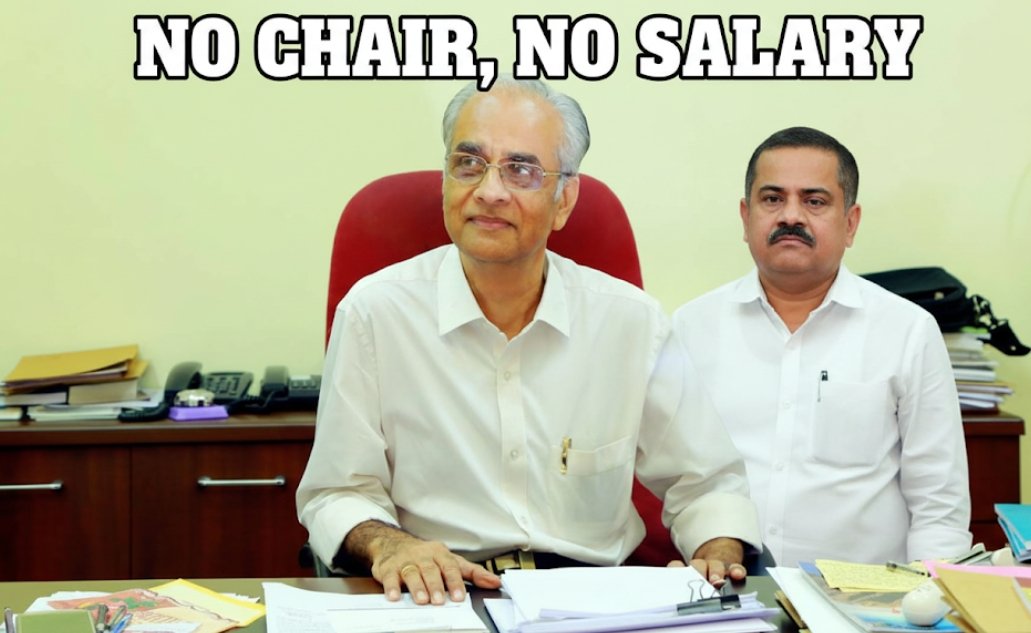
The contention revolves around officers who have continued in government service well beyond their official retirement age, often enjoying both high salaries and pension benefits simultaneously. They are widely viewed as being within the Chief Minister’s circle of confidence, securing key positions that critics argue should go to serving or recently retired officers.
Key Officers Under Scrutiny
Two officers, in particular, have become the focal point of the controversy and internal resentment within the bureaucracy:
- K. M. Abraham: At 67 years old, the veteran officer is currently shouldering three crucial roles: CEO of the Kerala Infrastructure Investment Fund Board (KIIFB), Chief Principal Secretary to the Chief Minister, and Head of K-DISC (Kerala Development and Innovation Strategic Council). His tenure and multiple responsibilities have drawn significant internal criticism.
- K. Jayakumar: The 73-year-old former bureaucrat is serving concurrently as the Director of the Institute of Management in Government (IMG) and the President of the Sabarimala Devaswom Board.
The report notes that this prolonged clinging to power, which some compare to an addiction to the ‘chair,’ is causing considerable friction among active civil service personnel.
The fear of a regime change is particularly acute for officers like K. M. Abraham, against whom several complaints have been raised in the past. It is widely speculated that if the UDF assumes power, Abraham’s positions would be among the first to be terminated, and he could potentially face new investigations into past issues.
As the state government’s tenure approaches its conclusion, the political climate remains tense, and the future of these powerful, re-employed officials hangs precariously in the balance.