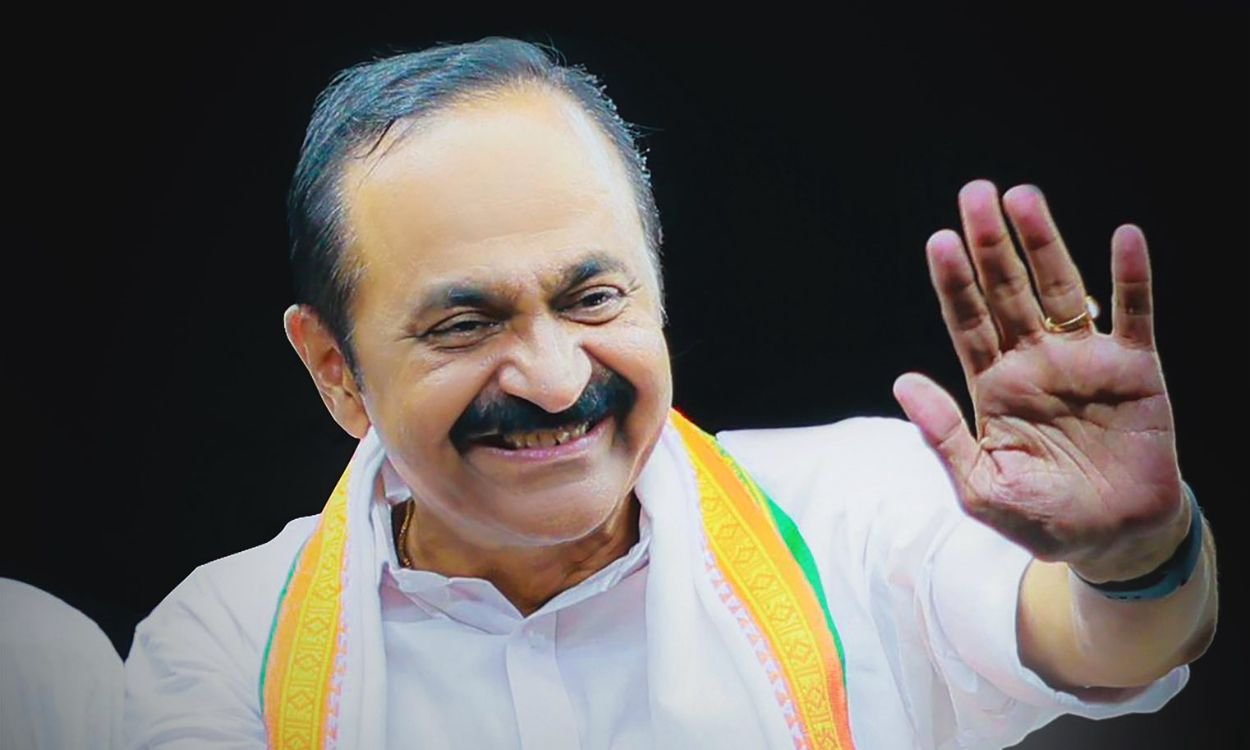

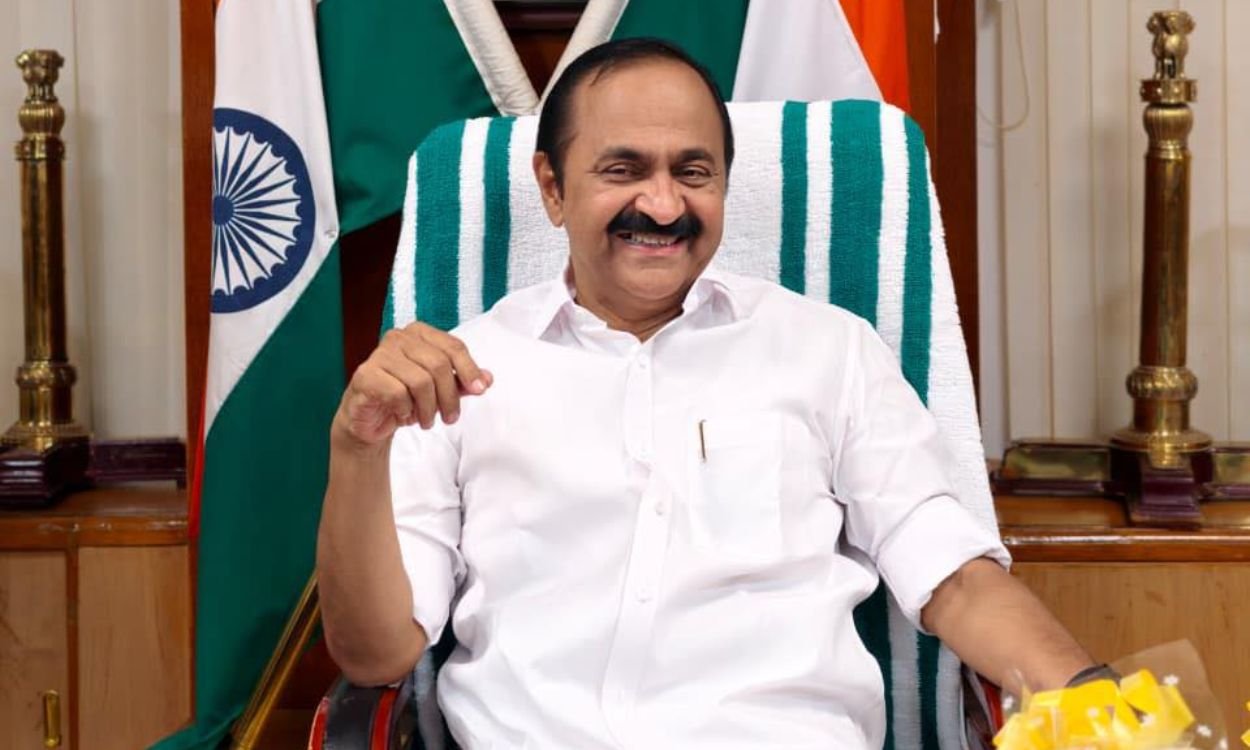

THIRUVANANTHAPURAM: In a groundbreaking move on its very first day, the newly sworn-in cabinet led by Chief Minister V.D. Satheesan has scripted history. The Kerala government has officially announced the creation of a dedicated ‘Department for Elderly Welfare’, making Kerala the first state in India to establish an independent government department exclusively focused on senior citizens.
Highlighting the urgency of the initiative, Chief Minister Satheesan noted that Kerala has the highest life expectancy and the fastest-growing elderly population in India. He stated that the new department’s operations will be meticulously structured after studying the globally acclaimed Japanese eldercare framework to ensure highly efficient, dignity-focused care for the state’s senior residents.

Adopting the ‘Japan Model’ for Kerala’s Seniors
The core philosophy of the Japanese Eldercare Model is to view the elderly not as “dependents” or burdens, but as individuals who deserve to live with dignity, independence, and self-reliance within their own homes or familiar environments.
The Kerala government plans to study and adapt the key pillars of Japan’s system to the local socio-economic fabric:
Long-Term Care Insurance (LTCI): In Japan, this insurance serves as the financial backbone for senior care. Starting at age 40, citizens contribute toward a fund that later covers up to 90% of expenditures on care homes, home nursing, and medical equipment. Implementing a similar framework could significantly alleviate the financial burden on Keralite families.
Aging in Place (Home-Based Care): Rather than encouraging old-age homes, the Japanese model prioritizes keeping the elderly in their own homes.
Home Care Assistants: Trained professionals visit homes daily to assist with bathing, cooking, and administering medication.
Daycare Centers: Seniors spend their day at community hubs engaged in exercise, recreational activities, and socialization before returning home in the evening.
Community-Driven Support System: Japan transforms neighborhoods into elderly-friendly zones through local municipal bodies. Initiatives include Dementia Cafes where patients and families can interact freely, alongside specialized training for delivery personnel, shopkeepers, and bank staff to assist senior citizens who may lose their way or require immediate support.
Technology and Robotics Integration: To tackle potential shortages in physical caretakers, Japan heavily relies on tech solutions. This includes robotic suits (exoskeletons) to help handle seniors safely, communicative robot pets (like the robotic seal ‘Paro’) to combat loneliness, and home sensors that alert control centers in emergencies or if a senior falls.
A Sustainable Vision for Kerala
With shifting demographic realities and an increasing number of young professionals migrating abroad, senior care has emerged as a pressing social and economic challenge for Kerala. By institutionalizing a dedicated department and anchoring its vision on sustainable, community-backed models like Japan’s, the V.D. Satheesan government aims to turn the state into a global benchmark for eldercare.