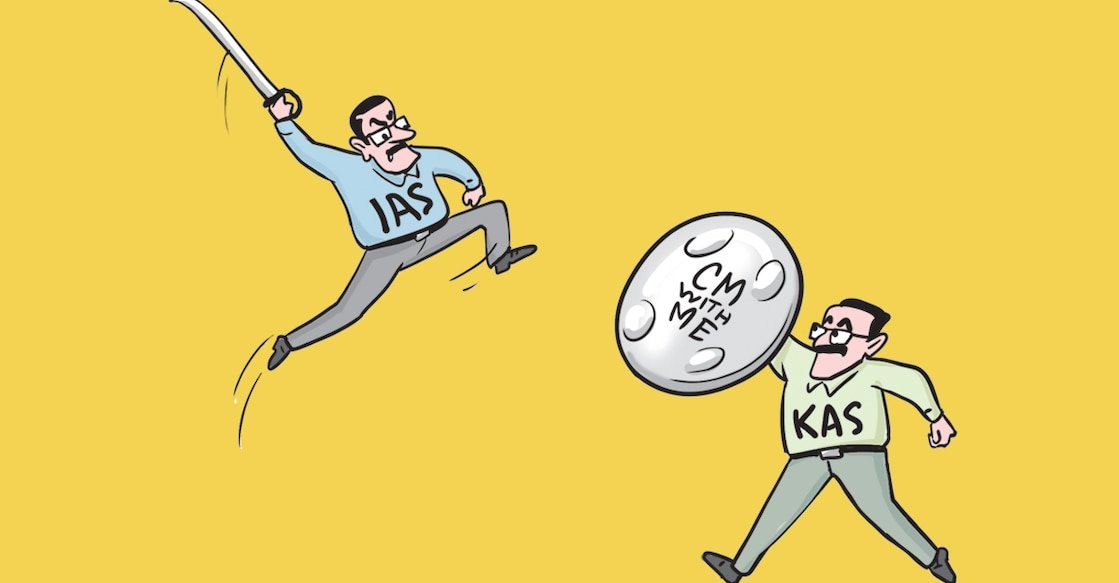



THIRUVANANTHAPURAM: The Pinarayi Vijayan government’s flagship Kerala Administrative Service (KAS) is under intense scrutiny. A high-level meeting, chaired by the Chief Secretary and attended by various Department Secretaries, has raised serious red flags regarding the conduct and efficiency of KAS officers.
The minutes of the meeting suggest that the prestigious service, designed to create a professional bureaucratic tier, is failing its core objectives.

Field Work Avoidance and “Convenience” Postings
The most damning allegation is that KAS officers are showing a strong reluctance to work in field positions. Instead of serving on the ground, many are reportedly leveraging “working arrangements” and deputations to secure comfortable desk jobs, often without the knowledge of their respective Secretaries.
”The tendency to prioritize personal convenience and interests over administrative duties is weakening the very purpose of the KAS,” the meeting observed.
The “Status” Issue and High Salaries
The report highlights a growing ego clash within the hierarchy. Many officers reportedly refuse specific tasks, claiming the work is “below their dignity” or status. This comes despite the fact that KAS officers currently enjoy a salary structure that is nearly 35% higher than IAS officers at entry levels, while reportedly handling a significantly lighter workload.
Key Failures Highlighted in the Meeting:
- Lack of Field Experience: Officers are avoiding field postings, which is drastically affecting their administrative efficiency and performance.
- Perks Over Productivity: The focus has shifted from public service to securing government benefits and personal perks.
- Working Arrangement Abuse: The system is being manipulated to avoid tough assignments, leaving field posts vacant.
- The 4-Year Promotion Demand: While the government mandates 8 years for promotion, the KAS officers’ association is ironically lobbying to slash this to 4 years despite the current performance concerns.
Proposed Reforms
To salvage the service’s integrity, the Secretary-level meeting proposed several mandatory changes:
- Mandatory Field Tenure: Officers must serve in field positions for a minimum of three years.
- Cadre Priority: All cadre posts must be filled before creating or utilizing “Deputation Reserves.”
- Strict Deputation Rules: Field posts should be the primary focus of the Deputation Reserve to ensure grassroots administration doesn’t suffer.