
Tuesday, September 22, 2026
Home Blog Page 51

Muttil Tree Felling: Court Slams Illegal Orders; High-Ranking Officials Venu and Jayathilak Remain Unpunished

0

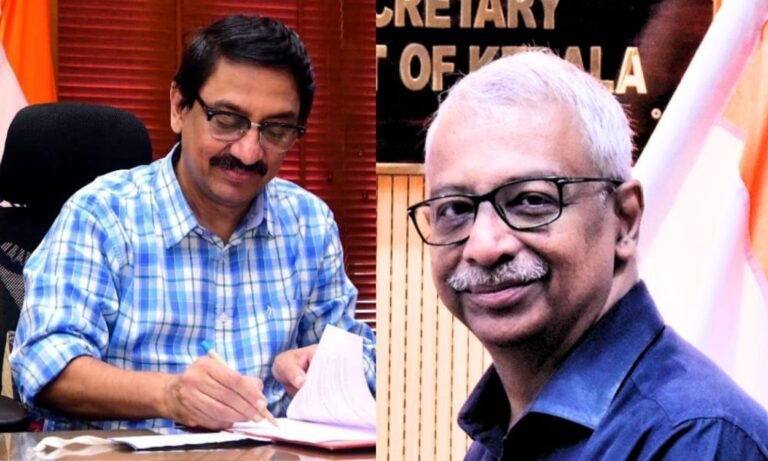
THIRUVANANTHAPURAM: The controversial Muttil tree felling case has once again pushed the Pinarayi Vijayan-led Kerala government into a corner following sharp observations by the Wayanad Additional District Court. While a legal net tightens around local farmers and low-ranking officials, the senior IAS officers who allegedly paved the way for the massive forest plunder—Chief Secretary Dr. A. Jayathilak and former Chief Secretary Dr. V. Venu—remain seemingly untouched under government protection.

Court Rejects ‘Administrative Cover’ for Looting In a significant setback for the accused, the Kalpetta District Judge, acting as the appellate authority under the Kerala Forest Act, observed that no government circular or executive order can override existing legal frameworks for forest protection. The court’s remarks effectively strip away the “legal shield” used by the prime accused, the Augustine brothers, who claimed they were merely following government orders.

High-Level Complicity Alleged The roots of the scam trace back to two controversial directives from the Revenue Department:

  • The Venu Circular: A circular issued on March 11, 2020, by then-Principal Secretary Dr. V. Venu, which was previously declared illegal by the High Court.
  • The Jayathilak Order: A subsequent order on October 24, 2020, by Dr. A. Jayathilak, which notoriously stated that officials who obstructed the felling of trees (except sandalwood) would face disciplinary action.

Critics argue that these orders were tailor-made to facilitate the felling of centuries-old rosewood trees worth crores. While the High Court and District Court have flagged these directives as legally untenable, the architects of these orders continue to hold the highest administrative offices in the state.

Scapegoating the Grassroots While the “masterminds” enjoy immunity, the legal fallout has devastated the local community. Small-scale farmers who trusted the government orders, timber merchants, and junior officials—from Village Officers to Range Officers—now face criminal charges under the Kerala Promotion of Tree Growth Act. Possible penalties include two years of imprisonment, heavy fines, and the confiscation of property.

Legal experts point out that issuing orders that facilitate illegal acts constitutes a “criminal conspiracy” under the Bharatiya Nyaya Sanhita. However, despite multiple investigations by the Vigilance and Forest departments, the senior bureaucrats involved have not even been summoned for questioning, leaving a massive question mark over the fairness of the probe.
Only One Thing Never Fails in Kerala Budget: KIIFB CEO K.M. Abraham’s Salary Hike Amidst Stalled Projects

0

Thiruvananthapuram: As Finance Minister K.N. Balagopal presents the state budget with grand promises, a wave of criticism has emerged regarding the “extraordinary punctuality” in increasing the salary of KIIFB CEO K.M. Abraham. While many developmental projects announced in previous budgets remain on paper, the files pertaining to the CEO’s pay hike reportedly move with lightning speed.

​Promises on Paper, Hikes in Reality

​Political observers and critics point out a stark contrast in the government’s functioning. When questioned in the Assembly about the progress of various multi-crore budget projects, the Finance Minister often resorts to the standard reply that “information is being collected.” However, this administrative lethargy does not seem to apply to the remuneration of the KIIFB chief.

​Salary Crosses ₹4 Lakh Mark

​K.M. Abraham, who previously served as the Additional Chief Secretary (Finance), was appointed as the CEO of the Kerala Infrastructure Investment Fund Board (KIIFB) in 2018 following his retirement.

​The financial details of his tenure have drawn significant public scrutiny:

  • ​Initial Salary: Started at ₹2.75 lakh per month.
  • ​Annual Increment: His contract ensures a fixed 10% annual increase.
  • ​Current Pay: His monthly salary has now surged past ₹4 lakh.
  • ​Total Income: In addition to his CEO salary, he receives a substantial pension as a retired Chief Secretary-level officer. Reports suggest his total monthly income from the public exchequer exceeds ₹6 lakh.

​Critics argue that the responsibilities of KIIFB could have been handled by a serving Additional Chief Secretary, which would have saved the debt-ridden state significant expenses.

​Political Storm: UDF Vows Action

​The Pinarayi Vijayan-led government’s unwavering support for Abraham has made him a focal point of political attacks. Despite various allegations and complaints raised against him in the past, he remains a trusted lieutenant of the current administration.

​However, the opposition UDF (United Democratic Front) has signaled that this tenure might be nearing its end. Political analysts suggest that if there is a change in power in the next election, the KIIFB CEO’s position will be the first to face the axe. The opposition has frequently labeled his appointment and the subsequent hikes as a burden on the state’s struggling economy.

​As the state grapples with financial challenges and pending Dearness Allowance (DA) for employees, the “uninterrupted” growth of the KIIFB CEO’s salary continues to fuel a heated debate over the government’s priorities.

Union Budget 2026: Kerala Left High and Dry; “Sea Turtle Center” Only Takeaway Leaves State BJP in Turmoil

0

THIRUVANANTHAPURAM: In a move that has sent shockwaves through the political corridors of the state, the Union Budget 2026 has reportedly “ignored” Kerala’s long-standing demands. With the Kerala Assembly elections just around the corner, the lack of significant allocations has left the state BJP leadership in a precarious position, struggling to find a narrative for their upcoming campaign.

​The “Sea Turtle” Sole Consolation

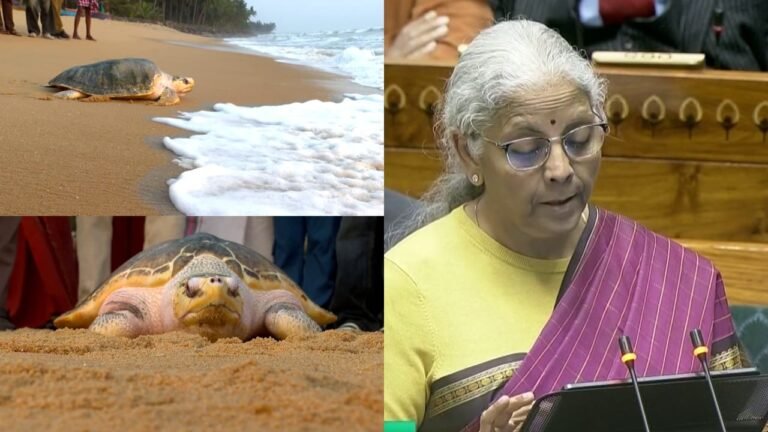
While the state BJP leaders were optimistic about securing a sanctioned AIIMS (All India Institute of Medical Sciences) or major infrastructure corridors, the only project specifically mentioned for Kerala in the budget speech was a ‘Sea Turtle Conservation Center.’ This meager allocation has provided the opposition with fresh ammunition to attack the central government for its “step-motherly” treatment of the state.

​Political Implications for BJP

The BJP, which recently made gains by winning the Thiruvananthapuram Corporation, was hoping to use the Union Budget as a launchpad for its 2026 Assembly election campaign. Analysts suggest that the absence of big-ticket projects makes it difficult for the party to present a “development-first” agenda to Kerala’s discerning voters.

​Historical data shows a fluctuating graph for the party in the state:

  • ​2016: O. Rajagopal opened the BJP’s account in the Assembly via the Nemom constituency.
  • ​2021: The party lost its lone seat and saw a dip in its vote share, resulting in a “zero-seat” status in the Assembly.
  • ​2026 Prospects: With no major central projects to showcase, the local leadership fears a repeat of the 2021 debacle.

​Strategic Shift or Neglect?

Political observers are debating whether this is a strategic move by the central leadership, signaling a lack of confidence in immediate political gains in Kerala, or a broader fiscal prioritization that inadvertently sidelined the state. The local BJP cadre is reportedly anxious, as they now have to face the electorate with very little to show in terms of central assistance.

​As the state gears up for a high-stakes election, the “neglect” in the Union Budget 2026 is likely to remain the focal point of political debates in the months to come.

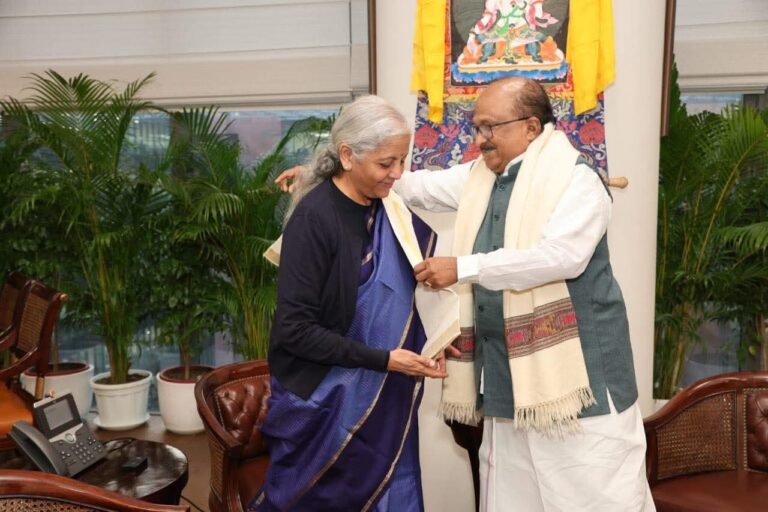
​Why Luxury in Delhi While Farmers Starve? KV Thomas Under Fire Over ₹1360 Crore Paddy Arrears

0

Thiruvananthapuram: Questions are mounting over the effectiveness of Prof. KV Thomas, the Kerala government’s special representative in New Delhi, as the state’s paddy farmers remain in financial distress. Despite holding a high-profile cabinet-rank position aimed at liaising with the Center, Thomas is facing severe backlash for his alleged silence while ₹1,360 crore in paddy procurement arrears remains stuck with the Central Government.

​The Massive Debt Burden

​According to details provided by Food Minister G.R. Anil in the State Assembly today, the financial situation for Kerala’s farmers is dire. The total arrears for paddy procurement have reached a staggering ₹1,360 crore.

​The breakdown of the dues is as follows:

  • ​Central Government Dues: ₹1,343.83 crore (accumulated from the financial year 2017-18 to 2025-26).
  • ​State Government Dues: ₹16.12 crore.
  • ​Blocked Payments: It is reported that Finance Minister K.N. Balagopal has currently withheld ₹16.12 crore, which was intended for the State Incentive Bonus for farmers.

​”Cabinet-Rank Leisure” at Taxpayers’ Expense

​Critics argue that KV Thomas was appointed to the Delhi post with a hefty salary and cabinet perks specifically to secure Kerala’s interests and release pending funds from the Union Government. However, as farmers reach the brink of suicide due to debt, the “Special Envoy” has been accused of doing little more than frequenting flights between Delhi and Kerala.

​The growing sentiment is that while the state government claims to have no money to pay the poor farmers for the crops they labored over, it continues to spend millions on the political rehabilitation of veteran leaders.

​Lack of Accountability

​The failure to even identify the specific procedural hurdles preventing the release of these funds has put KV Thomas in the crosshairs of the opposition and farmer unions. Observers note that it is “unfortunate” that a representative with such vast political experience is unable to exert any pressure on the Center to release the ₹1,343 crore debt that has been pending for nearly eight years.

​As the agricultural crisis deepens, the Pinarayi Vijayan-led government is facing heat for prioritizing “political tourism” in Delhi over the survival of the state’s farming community.

Idukki at 54: Remembering Dr. D. Babu Paul, the Architect of Kerala’s High-Range Marvel

0

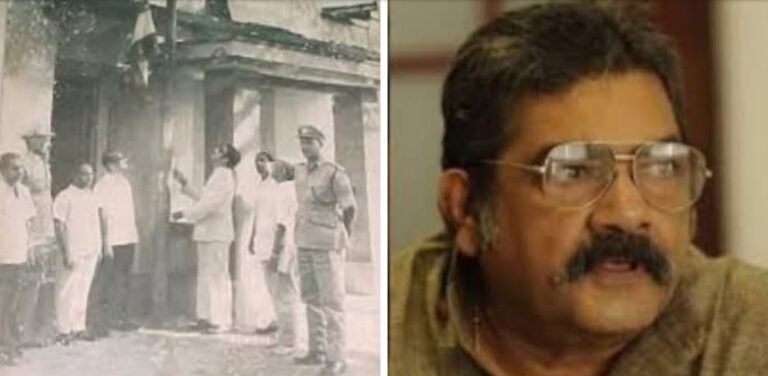
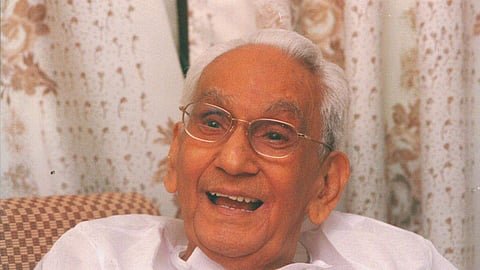
IDUKKI – January 26, 2026: On this day 54 years ago, while the rest of the country was celebrating Republic Day, a young IAS officer was racing against time in the misty hills of the Western Ghats to birth a new administrative identity for Kerala. Today, as Idukki marks its 54th anniversary, the state pauses to remember Dr. D. Babu Paul IAS, the first District Collector whose vision shaped this “Spice Garden” of Kerala.

​A District Born in 24 Hours

​The formation of Idukki on January 26, 1972, is a chapter of IAS lore. Following a directive from then-Chief Minister C. Achutha Menon, Dr. Babu Paul was tasked with establishing the district administration within just 24 hours.

​Arriving in Kottayam late on the night of January 25, Paul and the then-Kottayam Collector, Raghunathan, scouted for a building. They eventually secured a rented space near the Union Club. On the afternoon of January 26, at 4:00 PM, Dr. Babu Paul hoisted the national flag and signed the documents, officially bringing Idukki—the 11th district of Kerala—into existence.

​The Man Who Tamed the Arch

​Before he was the Collector, Dr. Babu Paul was the Special Coordinator for the Idukki Hydroelectric Project. The construction of the Idukki Arch Dam—Asia’s largest arch dam—was facing severe delays due to labor strikes and technical hurdles.

​Hand-picked by the government for his engineering background and administrative tact, Paul is credited with “taming” the project. He lived on-site, navigated complex labor negotiations, and ensured the dam was commissioned in 1975. His book, Giriparvom, provides a vivid account of these years, describing the “mesmerizing aroma of cardamom” and the struggles of building a township in the wilderness.

​Painavu: A Strategic Choice

​It was Dr. Babu Paul who insisted on Painavu as the district headquarters. While towns like Thodupuzha and Kattappana were in the running, Paul chose Painavu for its central location near the Idukki Wildlife Sanctuary and the dam site, envisioning it as a planned forest township.

​A Lasting Legacy

​Dr. Babu Paul’s relationship with Idukki was not merely professional; it was emotional. He often remarked, “I nurtured Idukki,” referring to the district as his own child. Beyond his administrative feats, he was a renowned scholar, theologian, and author of Veda Sabda Ratnakaram, a comprehensive Biblical lexicon.

​As Idukki enters its 55th year, the district stands as a testament to Paul’s efficiency. From a “godforsaken land” (as he once jokingly called it in his early days) to a powerhouse of Kerala’s energy and tourism, Idukki’s journey remains inseparable from the legacy of Daniel Babu Paul.

​Quick Facts: Idukki Formation

  • ​Formed On: January 26, 1972.
  • ​Carved From: Devikulam, Udumbanchola, and Peermade taluks (from Kottayam) and Thodupuzha taluk (from Ernakulam).
  • ​First Collector: Dr. D. Babu Paul IAS.
  • ​Etymology: Derived from the Malayalam word ‘Idukku’, meaning a narrow gorge.

The “Unfulfilled Dream” at Eden: Sai Kiran’s Poignant Quest to Meet Sourav Ganguly

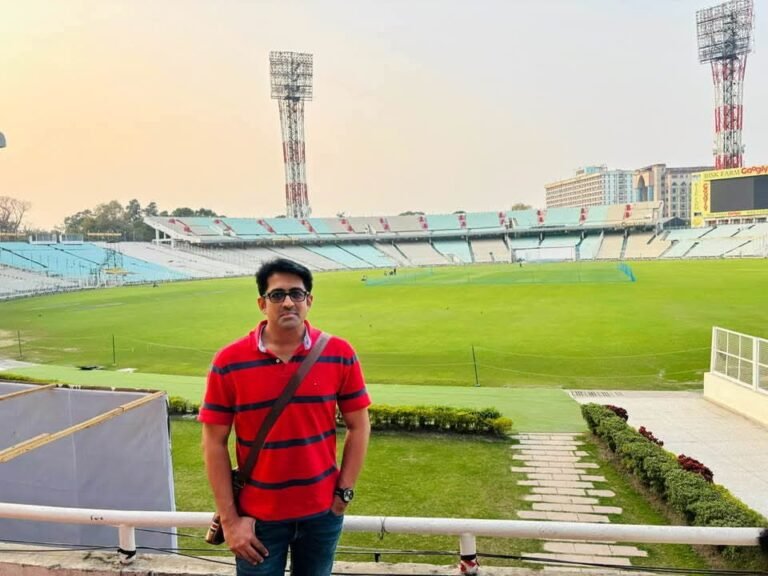
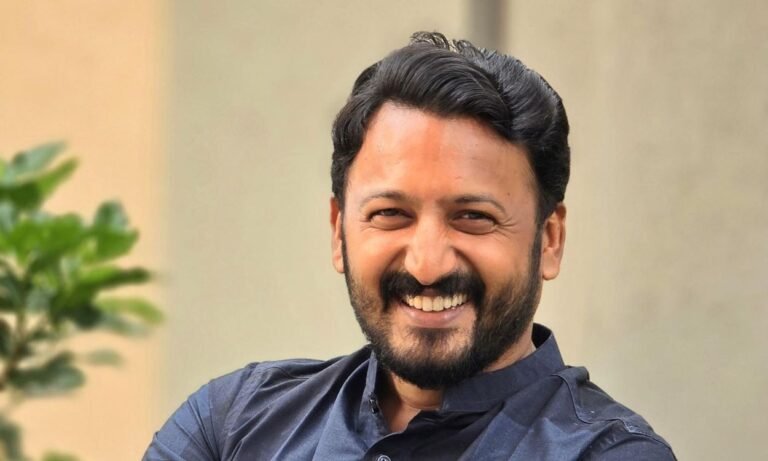
KOLKATA – For millions of cricket fans, Eden Gardens is not just a venue; it is the kingdom of one man: Sourav Ganguly. In a poignant reflection shared on social media, K.P. Sai Kiran, Assistant Editor, The Times of India, described his recent visit to the iconic stadium as a journey to reconnect with the “Prince of Calcutta.”

​The Search for the Maharaja

​While the stadium itself is steeped in history, for Sai Kiran, the trip held a specific personal mission: a chance to meet the man who redefined Indian cricket’s grit.

​”I had contacted the secretary of the man the world calls the Prince of Eden—the captain who taught the Indian team to fight without giving up,” Sai Kiran wrote.

​Though the meeting remained an “unfulfilled dream” as Ganguly was away in South Africa, the editor noted that the former captain’s presence still lingers in every corner of the ground, from the galleries to the lush green turf.

​A Fortress of Emotions

​Sai Kiran’s report highlights how Ganguly’s leadership transformed Eden Gardens into a symbol of Indian defiance. He recalled the 2001 Border-Gavaskar Trophy, where the legendary stand between Laxman and Dravid—under Ganguly’s captaincy—acted as a “medicine” for the heartbreak of the 1996 World Cup.

​He noted that while modern cricket has become a “professional game” through the IPL and T20s, the “intensity” of the Ganguly era remains the gold standard for fans who grew up in the 90s.

​The Scent of Adolescence

​Standing before the sprawling stands, the veteran journalist expressed a deep sense of “nirvana” that only this specific patch of grass could provide.

  • ​The 90s Vibe: A return to the era of Sachin, Ganguly, and Dravid.
  • ​The Evolution: Acknowleging the shift from “pure emotion” to “professionalism.”
  • ​The Connection: How the “Prince” taught a generation that they could win against any odds.

​”Time may have changed the style of play,” he concluded, “but this ground still carries the scent of my adolescence and the fighting spirit of its greatest hero.”

Tensions Flare in BJP: Ex-DGP R. Sreelekha Snubs PM Modi Event Over Thiruvananthapuram Mayor Selection

0

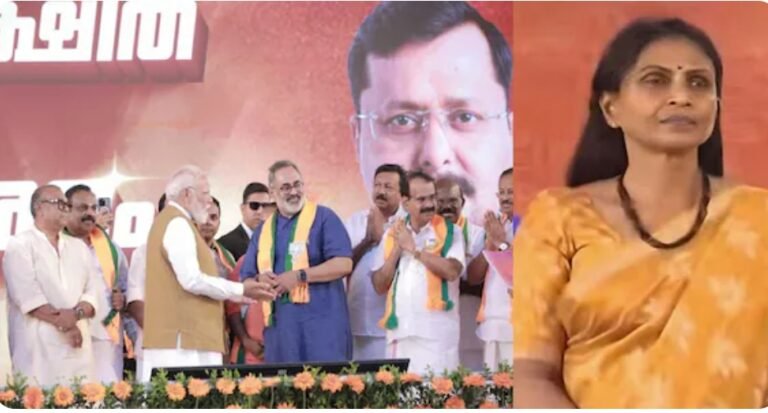
THIRUVANANTHAPURAM: The internal rift within the Bharatiya Janata Party (BJP) in Kerala took center stage on Friday as former Director General of Police (DGP) and newly elected Sasthamangalam Councillor, R. Sreelekha, openly displayed her displeasure during a high-profile public meeting attended by Prime Minister Narendra Modi.

​The controversy stems from the BJP leadership’s decision regarding the Mayoral post in the Thiruvananthapuram Corporation, where the party recently secured a historic victory. While Sreelekha, Kerala’s first woman IPS officer, was widely projected as the party’s mayoral face during the election campaign, the leadership ultimately chose V.V. Rajesh for the top post.

​Silent Protest at Putharikandam

Witnesses at the Putharikandam Maidan noted that Sreelekha maintained a visible distance from the senior leadership on the dais. Even as Prime Minister Modi was being greeted and later seen off by top leaders including State President Rajeev Chandrasekhar and Mayor V.V. Rajesh, Sreelekha remained aloof, avoiding the core group.

Sreelekha feels sidelined despite her significant contribution to the party’s performance in the Sasthamangalam ward. Her supporters believe that her administrative experience as a former DGP would have been a major asset for the corporation’s governance.

​BJP Leadership Under Pressure

The public display of discontent in the presence of the Prime Minister has reportedly left the central leadership embarrassed. While the BJP aimed to project a united front following their electoral success in the capital city, this internal friction has provided ammunition to political rivals.

​Earlier reports indicated that the party had attempted to pacify Sreelekha, but her actions at the event suggest that the grievances remain unresolved. The state leadership is now under pressure to address the “Sreelekha factor” before the dissent spreads further among the rank and file.

​‘Ready to Die for Secularism’: VD Satheesan Echoes Indira Gandhi’s Final Words in Fierce Attack on CPM

0

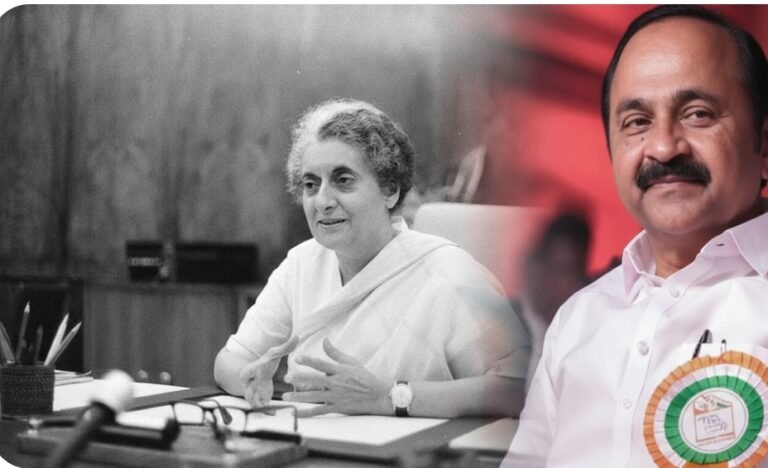
KOCHI: In a stirring address that has sent ripples through Kerala’s political landscape, Leader of the Opposition VD Satheesan has declared an uncompromising war against communal forces, drawing a powerful historical parallel to late Prime Minister Indira Gandhi’s final speech in 1984.

​During a media briefing at Chendamangalam and a subsequent speech at a Mahapanchayat, Satheesan sent a clear message to his detractors: he is prepared to face any assault to protect the secular fabric of Kerala.

​A Historic Parallel: 1984 and 2026

​Political observers have noted a striking resemblance between Satheesan’s rhetoric and the legendary speech delivered by Indira Gandhi in Bhubaneswar on October 30, 1984—just a day before her assassination. Gandhi had famously stated, “Even if I die in the service of the nation, I would be proud of it. Every drop of my blood… will contribute to the growth of this nation.”

​Channeling this same intensity, Satheesan remarked that he is ready to face “spears and attacks” for his stance against communalism. He asserted that even if he were to fall in this battle, it would be a “heroic martyrdom” for the cause of a united Kerala.

​Scathing Critique of the CPM

​Satheesan’s fiery words were primarily directed at the ruling CPM, whom he accused of playing a “dangerous game” similar to the Sangh Parivar. He specifically targeted Minister Saji Cherian and former Minister AK Balan for their recent controversial remarks regarding the religion and caste of elected representatives.

​”Pinarayi Vijayan and Satheesan will eventually become memories, but Kerala will remain,” the Opposition Leader warned. “Setting fire to the secular foundation of Kerala is an act of cruelty toward future generations.”

​He further alleged that the CPM is intentionally fanning the flames of communalism for short-term political gains, claiming that these provocative statements are being made with the full knowledge of the Chief Minister.

​”Will Not Bend the Spine”

​Addressing the CPM’s criticism of his meetings with community leaders—which the ruling party termed as “thinnaniyangal” (loitering on porches)—Satheesan remained defiant. While acknowledging that political leaders naturally meet with community heads, he emphasized his independence.

​”I have said before: if community leaders ask us to sit, we can sit. But no one should lie down there. I will not bend my spine before anyone,” he stated firmly.

​Strengthening the Congress Narrative

​The speech is being viewed as a localized extension of the national anti-communal crusade led by Rahul Gandhi. By positioning himself as a guardian of secularism willing to make the ultimate sacrifice, Satheesan has significantly energized the Congress cadre in Kerala.

​As the state heads toward further political polarization, Satheesan’s “Indira-esque” defiance marks a significant escalation in the UDF’s campaign against the LDF government’s alleged communal appeasement strategies.

Rahul Mamkootathil MLA Detained in Midnight Police Raid; Third Rape Case Shackles Palakkad Legislator

0

PALAKKAD: In a high-voltage midnight operation, the Kerala Police took Palakkad MLA Rahul Mamkootathil into custody from a private hotel in Palakkad. An eight-member team, led by a Deputy Superintendent of Police (DySP) and including woman officers, executed the move at approximately 12:30 AM on Sunday at the KPM Hotel.

A Meticulously Planned Operation According to police sources, the Pathanamthitta police team arrived in two jeeps after receiving a fresh complaint via e-mail. The team had been monitoring the MLA since he arrived at the hotel on Saturday morning. In a scene reminiscent of a thriller, the police reportedly seized the mobile phones of the hotel reception staff before heading straight to the MLA’s room. Though Rahul initially refused to leave his room and demanded to see his lawyer, he eventually yielded to the police pressure.

Gravity of the Allegations The new case involves serious non-bailable charges, including rape, forced abortion, financial exploitation, and death threats. This marks the third sexual assault case filed against the young legislator. While the High Court had stayed his arrest in the first case and a trial court had granted anticipatory bail in the second, this third complaint has left him without immediate legal protection.

Political Fallout The timing of the arrest is significant as Rahul was becoming active in his constituency following recent controversies. The police shifted him to Thiruvananthapuram for further interrogation and medical examination. Meanwhile, his legal team and supporters have raised concerns about the manner in which the custody was initiated, especially while his personal staff were away from the room.

Neither Surplus Nor Deficit: Revisiting the Iconic Budget Clash Between K.M. Mani, Janardhan Poojary, and the ‘Chanakya’ Move by K. Karunakaran

0

THIRUVANANTHAPURAM: In the annals of Kerala’s political and legislative history, few episodes are as memorable or as witty as the “Surplus vs. Deficit” budget row of the mid-1980s. This historic clash involving the legendary Finance Minister K.M. Mani, Central Minister Janardhan Poojary, and the veteran “Chanakya” of Kerala politics, K. Karunakaran, remains a classic example of political maneuvering.

​The Bone of Contention: Surplus or Deficit?

The controversy erupted during the presentation of the 1986-87 State Budget. K.M. Mani, known for his unparalleled expertise in finance and holding the record for the most budget presentations in the Kerala Assembly, declared his budget to be a “Surplus Budget.” Mani’s calculations factored in expected central allocations and state revenues to project a positive balance.

​However, this claim was immediately challenged from New Delhi. Janardhan Poojary, the then Union Minister of State for Finance, publically countered Mani’s assertion. Citing central accounting standards and actual fund flows, Poojary insisted in Parliament that Kerala’s budget was, in fact, a “Deficit Budget.”

​The disagreement between the state and central finance heads sparked a massive media frenzy, with political analysts and economists debating who held the “true” figures.

​Karunakaran’s Masterstroke

As the tension between Mani and Poojary escalated, all eyes turned to Chief Minister K. Karunakaran. During a visit to Delhi, Karunakaran was intercepted by a swarm of reporters at the airport, all seeking a definitive answer: “Is the Kerala budget surplus or deficit?”

​Caught between his own Finance Minister (Mani) and a key Union Minister from his own party (Poojary), Karunakaran delivered a response that has since become legendary. With his characteristic mischievous smile and a wink, Karunakaran replied:

​“It is not that much of a surplus… but then, it isn’t that much of a deficit either!”

​The clever ambiguity of the statement effectively defused the situation. By refusing to take a side, Karunakaran protected Mani’s prestige while avoiding a direct confrontation with the Central leadership, proving once again why he was considered the ultimate strategist.

​A Lasting Legacy

Decades later, as Kerala continues to navigate complex fiscal relations with the Centre, this incident serves as a reminder of a time when political differences were often settled with sharp wit rather than bitter enmity. K.M. Mani’s record-breaking career and Karunakaran’s tactical brilliance continue to be a source of inspiration and study for the new generation of Kerala politicians.