Tuesday, September 22, 2026
Home Blog Page 54

Promises Not Kept? Padmaja Venugopal and R Sreelekha Sidelined by BJP in Kerala

0

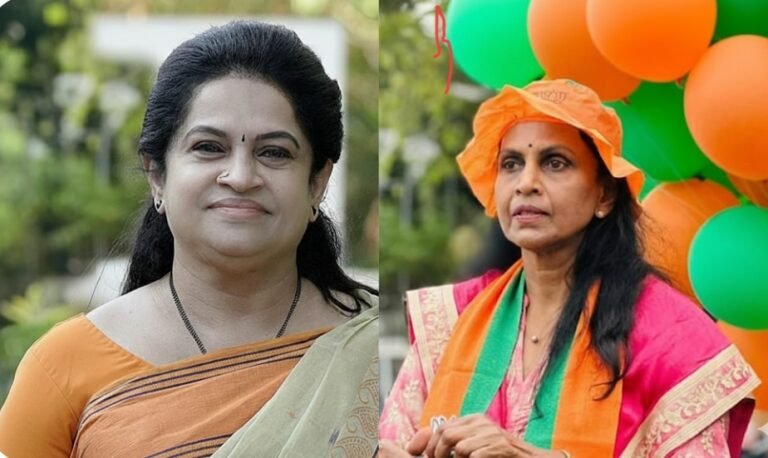
THIRUVANANTHAPURAM: The Kerala political landscape is buzzing with reports of growing discontent within the Bharatiya Janata Party (BJP) as two high-profile entrants, Padmaja Venugopal and former DGP R. Sreelekha, are reportedly facing neglect after being promised significant roles.

​According to political observers, the trend of attracting veterans from other parties with “golden promises” only to sideline them later is becoming a controversial pattern for the saffron party in the state.

The Governor Post That Never Came

​Padmaja Venugopal, daughter of late Congress legend K. Karunakaran, sent shockwaves through the Congress camp when she defected to the BJP in March 2024, just ahead of the Lok Sabha elections. It was widely reported that she was promised a Governor position in exchange for her move.

​The entry, facilitated by Suresh Gopi, was seen as a strategic masterstroke that helped Gopi secure a historic win in Thrissur. However, while Suresh Gopi has since been elevated to a Union Minister post, Padmaja Venugopal remains without any official designation or the promised gubernatorial role, leading to questions about her future in the party.

R. Sreelekha: The Mayor Candidate Who Wasn’t

​A similar story is unfolding for Kerala’s first woman DGP, R. Sreelekha. She joined the BJP with the expectation of being the face of the party in the Thiruvananthapuram Corporation. After winning from the Sasthamangalam ward, it was widely anticipated that she would be the party’s Mayor candidate.

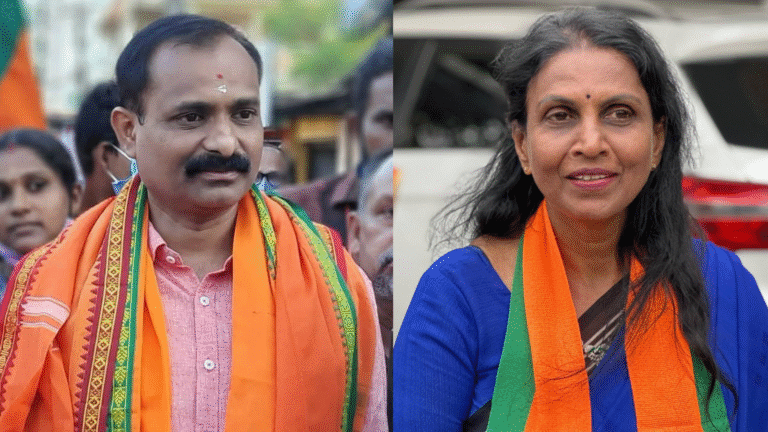
​However, recent developments suggest a shift in strategy. The party is now reportedly considering V.V. Rajesh for the Mayor’s chair, effectively pushing Sreelekha to the periphery. Sources suggest that while Amit Shah had initially given assurances to Sreelekha, internal party dynamics have led to dramatic shifts, possibly offering her a seat in Vattiyoorkavu as a “consolation” instead.

A Pattern of Neglect?

​These incidents have fueled criticism that the BJP uses influential figures for immediate electoral gains—such as utilizing Padmaja’s lineage or Sreelekha’s professional reputation—only to ignore them once the objectives are met. As the 2026 Kerala Assembly elections approach, this perceived “use and throw” policy could pose a significant challenge for the BJP in attracting more leaders from the UDF and LDF camps.

V.V. Rajesh Emerges as BJP’s Choice for Thiruvananthapuram Mayor; Former DGP R. Sreelekha Dropped from Race

0

THIRUVANANTHAPURAM: In a significant political development following the BJP’s historic victory in the Thiruvananthapuram Corporation, the party leadership has finalized V.V. Rajesh as its Mayoral candidate. This decision comes as a surprise to many, as former Director General of Police (DGP) R. Sreelekha, who won from the Sasthamangalam ward, was widely considered the frontrunner for the prestigious post.

The Shift in Leadership Strategy

​While R. Sreelekha’s entry into the local body polls was seen as a masterstroke to attract neutral and elite voters, internal party discussions have shifted toward a candidate with deeper roots in the organizational structure. V.V. Rajesh, a prominent face of the BJP in Kerala and a former district president, is seen as a leader who can better navigate the complex political landscape of the council.

​Sources indicate that the BJP State leadership, in consultation with the RSS, preferred a seasoned politician for the role. The decision to drop Sreelekha is being viewed as a move to prioritize party loyalty and grassroots experience over high-profile lateral entries for the top administrative post.

A Historic Win with Narrow Margins

​The BJP-led NDA secured 50 seats in the 101-member council, falling just one seat short of an absolute majority. With the Mayor election scheduled for December 26, the party is leaving no stone unturned to ensure a smooth transition of power.

​The opposition has also geared up for the contest, with the LDF fielding R.P. Sivaji and the UDF nominating former MLA K.S. Sabarinadhan. Despite the BJP being the single largest party, the narrow margin makes the selection of the Mayoral candidate a high-stakes game.

What’s Next for R. Sreelekha?

​While she may have been sidelined for the Mayor’s post, speculation remains that R. Sreelekha might be considered for Vattiyoorkavu Assembly Seat. Her victory in Sasthamangalam remains a highlight of the BJP’s campaign, proving her electoral viability.

Kerala Govt sparks controversy by relaxing treasury curbs to pay ₹4 crore for CM Pinarayi Vijayan’s helicopter rent, including 3 months’ advance payment

0

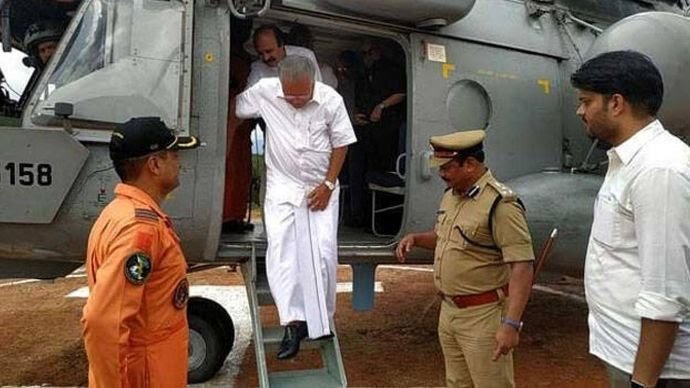
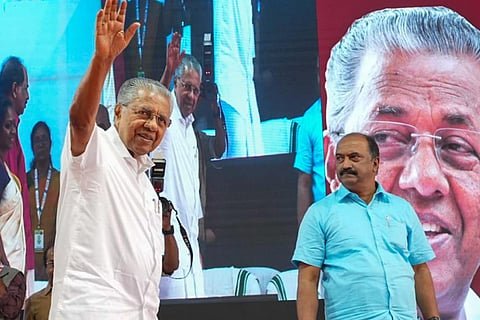
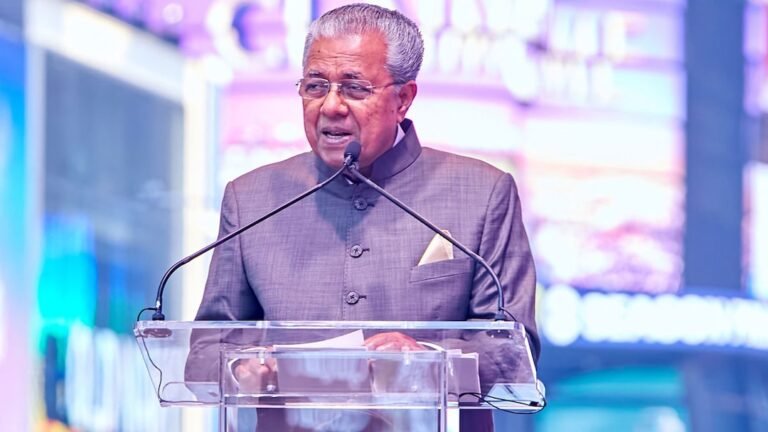
THIRUVANANTHAPURAM: At a time when the state of Kerala is grappling with a severe financial crisis and tight treasury restrictions, the LDF government has courted fresh controversy. Finance Minister K.N. Balagopal has cleared an allocation of ₹4 crore for the rental charges of Chief Minister Pinarayi Vijayan’s helicopter.

​What has raised eyebrows is not just the hefty sum, but the fact that the government has opted to pay three months’ rent in advance, even as bills for various welfare schemes and public works remain pending across the state.

Treasury Restrictions Relaxed

​Since August, the state has maintained a strict treasury ceiling, requiring special clearance for bills exceeding ₹10 lakh. However, this rule was reportedly bypassed or relaxed on December 20 to ensure the immediate release of funds to Chipson Aviation Private Limited, the firm providing the helicopter service.

The Breakdown of the Deal

​The ₹4 crore allocation covers a five-month period from October 20, 2025, to March 19, 2026. This includes clearing two months of arrears and providing a massive advance for the upcoming three months (December 20 to March 19).

Key details of the rental agreement include:

  • Monthly Rent: ₹80 Lakh
  • Flying Hours: 25 hours per month included in the base rent.
  • Overtime Charges: An additional ₹90,000 for every hour flown beyond the initial 25 hours.

Opposition Slams ‘Double Standards’

​The opposition has been quick to hit out at the government, labeling it a “government of arrears” for the common man but a “proactive payer” for the Chief Minister’s luxury. Critics point out that while the state struggles to fund social security pensions and essential services, the Chief Minister’s aerial travel remains a top priority.

​This is not the first time the helicopter deal has flown into stormy weather. In 2020, the government’s decision to rent a chopper following a recommendation by then-DGP Loknath Behera faced intense backlash, leading to the contract not being renewed initially. However, during its second term in 2023, the Pinarayi government decided to revive the service. Reports suggest that the government has previously paid over ₹22 crore to Pawan Hans Limited before switching to the current provider.

​As the state’s debt continues to mount, this latest expenditure has reignited the debate over “VIP culture” and fiscal responsibility in Kerala’s governance.

MEDISEP Premium Hike Raises Corruption Allegations

0

Thiruvananthapuram: The steep hike in the MEDISEP premium has moved the debate from discomfort to serious allegations of corruption, as hard numbers now reveal how an insurance–TPA model systematically drains public money while burdening employees and pensioners.

The premium has risen from ₹500 per month to ₹810 per month—an increase of more than 60%. For an employee or pensioner, this means paying over ₹9,700 a year, excluding GST. With lakhs of beneficiaries enrolled, the total annual premium pool runs into thousands of crores of rupees.

Official figures released earlier had shown that, in one phase alone, over 10.5 lakh claims amounting to around ₹1,900 crore were settled. These numbers are now being cited to justify the premium hike. But critics argue that this explanation is incomplete and misleading, because it hides where a large part of the money actually goes.

Under an insurance-based system, the entire premium is first transferred to an insurance company. From this pool, substantial amounts are carved out for administrative costs, insurer margins, and—most importantly—payments to Third-Party Administrators (TPAs). In a scheme of this size, even a modest per-member or per-claim fee translates into TPAs earning tens to hundreds of crores of rupees annually. Yet, employees are not told upfront who the TPA is, how much it is paid, or what incentives guide its decisions.

This is where allegations of corruption enter the picture. Employee organisations, pensioners’ forums, and governance experts allege that insurance is deliberately chosen not because it is necessary, but because it creates a fertile ground for commissions and rent-seeking. The TPA controls approvals, rejections, delays, and interpretations of “policy terms”. Each rejection or delay saves money for the system and strengthens the financial logic of the premium hike.

The logic of insurance itself is being questioned. Government employee healthcare is not an unknown risk. The number of employees and pensioners is fixed. Age profiles are known. Historical medical expenditure data is available. There is no catastrophic or unpredictable risk that requires transfer to a private insurer. Despite this, the insurance route is used—allowing private intermediaries to extract value from a fully predictable public expense.

What adds weight to the allegations is a comparison with other states. Except for Tamil Nadu and Kerala, most major states have moved away from direct insurance-company models for their employees. States like Telangana, Andhra Pradesh, Rajasthan, Karnataka and Haryana operate trust-based or government-controlled cashless systems, where the State itself holds the fund and directly settles hospital bills. There is no insurer pretending to “cover risk” that does not actually exist. As a result, there is no recurring premium renegotiation drama and no opaque TPA-driven denial economy at this scale.

Critics therefore describe the insurance approach followed in Tamil Nadu and Kerala as a “fake insurance” model—one where the language of risk cover is used even though the government ultimately bears the entire cost, while private TPAs and associated intermediaries make assured profits. In such a model, premium hikes are not an exception; they are an inevitability.

The contrast with ISRO’s CGHS-type system makes the issue even starker. ISRO provides cashless treatment through direct hospital empanelment and government settlement, without any insurer or TPA. There are no premiums collected from employees, no TPAs earning crores, and no yearly shock announcements of contribution hikes. This example demolishes the claim that insurance is essential for cashless healthcare.

Employees now ask pointed questions backed by numbers. If claims of about ₹1,900 crore were the issue, how much of the total premium pool actually reached hospitals? How much went to insurer overheads? How much to TPAs? What percentage of claims were rejected or partially paid? How many such rejections were later overturned? These figures have not been placed in the public domain.

The refusal to disclose these details has only strengthened the suspicion that the premium hike is less about healthcare inflation and more about sustaining a lucrative intermediary ecosystem. Pensioners’ associations argue that employees are being forced to fund a system where they pay more every year, while private TPAs quietly mint crores under the protection of political and bureaucratic silence.

With numbers now in the open, the allegation has gained legitimacy: this is not a failure of arithmetic, but a failure of governance. Until full disclosure is made—especially of TPA identities, payments, and claim rejection data—the MEDISEP premium hike will continue to be seen not as a healthcare necessity, but as evidence of a commission-driven insurance drama, where the public pays and private intermediaries profit.

The central question remains unanswered, and it grows louder with every deduction from salary and pension:
Why cling to an insurance model that benefits TPAs, when most other states have already accepted that government employee healthcare carries no real “risk” at all?


₹10 Crore Extravaganza? Controversy Erupts Over 5th Loka Kerala Sabha Amidst State Financial Crisis

0

THIRUVANANTHAPURAM: The Kerala government is under fire once again as preparations begin for the fifth edition of the Loka Kerala Sabha, scheduled to take place from January 29 to 31, 2026. While the government frames the event as a bridge between the state and its global diaspora, critics are calling it a “colossal waste of public money,” estimated to cost the state exchequer approximately ₹10 crore.

Event Schedule and Venue

​The three-day event will kick off with an inauguration at Nishagandhi on January 29. The subsequent sessions on January 30 and 31 will be held at the Sankaranarayanan Thambi Hall of the Kerala Legislative Assembly. Notably, the Assembly will be adjourned during the ongoing Budget Session to accommodate the event, a move that has drawn sharp criticism from the opposition.

The “Pranchiyettan” Label

​Social media and political rivals have dubbed the gathering the “Pranchiyettan Sabha,” a reference to a fictional character who seeks social status through wealth. The primary allegation is that the Sabha prioritizes wealthy and influential NRIs while offering little to no tangible benefits for the average expatriate worker struggling in foreign lands.

​Critics argue that previous editions failed to implement meaningful welfare schemes for common NRIs, serving instead as a platform for the Chief Minister and other ministers to network with the elite.

Timing and Financial Concerns

​This marks the final Loka Kerala Sabha under the current Pinarayi Vijayan-led LDF government. With the state currently grappling with a severe financial crunch, the decision to spend ₹10 crore on a ceremonial event has been met with widespread public resentment.

​Opponents also pointed out that previous “overseas editions” of the Sabha led to controversies regarding the travel expenses of ministers and their families. As the state moves toward an election year, the government’s decision to pause the legislative budget proceedings for this event is being viewed by many as a purely political exercise rather than a genuine effort for NRI welfare.

T20 World Cup 2026: Shubman Gill Axed, Ishan Kishan Returns as India Announces Power-Packed Squad

MUMBAI: In a major shake-up ahead of their title defense, the BCCI on Saturday announced a bold 15-member squad for the ICC Men’s T20 World Cup 2026. The biggest talking point of the announcement was the omission of star opener Shubman Gill, who had previously served as the vice-captain in the shortest format.

The Big Snub: Why Gill Missed Out

​Chief Selector Ajit Agarkar cited “combinations” and a dip in recent form as the primary reasons for Gill’s exclusion. Despite being a mainstay in ODIs and Tests, Gill’s T20I form in 2025 has been underwhelming, failing to register a single half-century in 15 innings. With the tournament being held on home soil (India and Sri Lanka), the selectors have pivoted toward aggressive options at the top of the order.

The Return of Ishan Kishan and Rinku Singh

​The squad sees the high-profile return of Ishan Kishan, who earned his spot back after a two-year hiatus following a stellar performance in the Syed Mushtaq Ali Trophy. Alongside him, “finisher” Rinku Singh makes his comeback, strengthening a middle order that looks formidable on paper.

New Deputy and Wicketkeeping Roles

​With Gill out, all-rounder Axar Patel has been elevated to the role of Vice-Captain under the leadership of Suryakumar Yadav. The wicketkeeping department will be shared by Sanju Samson and Ishan Kishan, with Agarkar emphasizing that a keeper-batsman at the top provides much-needed tactical stability.

Spin-Heavy Strategy

​Staying true to home conditions, India has opted for a spin-heavy attack featuring the “luxury” of both Kuldeep Yadav and Varun Chakaravarthy. They are joined by Axar Patel and Washington Sundar, giving India four distinct spin options.

India’s 15-Member Squad for T20 World Cup 2026:

Suryakumar Yadav (C), Abhishek Sharma, Sanju Samson (WK), Tilak Varma, Hardik Pandya, Shivam Dube, Axar Patel (VC), Rinku Singh, Jasprit Bumrah, Arshdeep Singh, Harshit Rana, Kuldeep Yadav, Varun Chakaravarthy, Washington Sundar, Ishan Kishan (WK).

End of an Era: Legendary Malayalam Actor and Screenwriter Sreenivasan Passes Away at 69

0

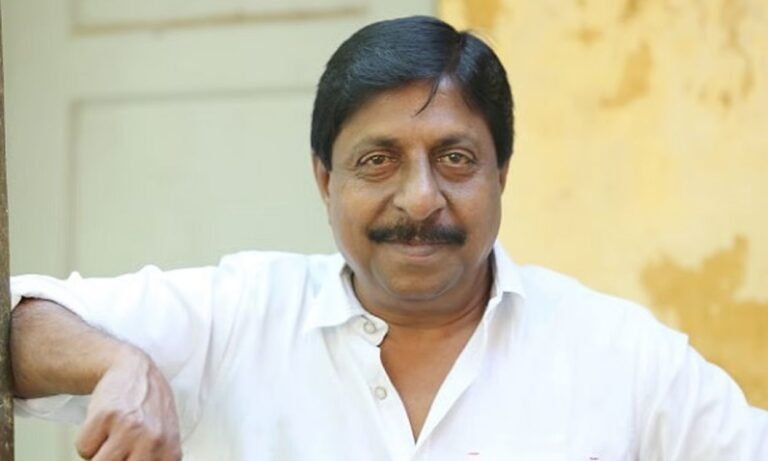
KOCHI: Sreenivasan, the legendary polymath of Malayalam cinema who redefined social satire and portrayed the lives of the common man with extraordinary brilliance, passed away on Saturday morning. He was 69.

The veteran actor-director-screenwriter breathed his last at 8:30 AM at the Tripunithura Taluk Hospital. Reports indicate that he experienced physical discomfort while being transported for his scheduled dialysis and was rushed to the hospital, where he later passed away. His body is currently kept at the Taluk Hospital, and funeral details are expected to be announced later.

A Career Spanning 48 Years

Born on April 4, 1956, in Patyam near Thalassery, Sreenivasan was a graduate of Pazhassi Raja NSS College, Mattannur. He later honed his craft at the Madras Film Institute, where the superstar Rajinikanth was his classmate. He made his acting debut in 1977 with P.A. Backer’s Manimuzhakkam.

While he started with serious roles under masters like Aravindan and K.G. George, Sreenivasan found his true calling in screenwriting. His first script was for Priyadarshan’s Poochakkoru Mookkuthi, marking the beginning of a prolific era of Malayalam comedy.

The Master of Satire

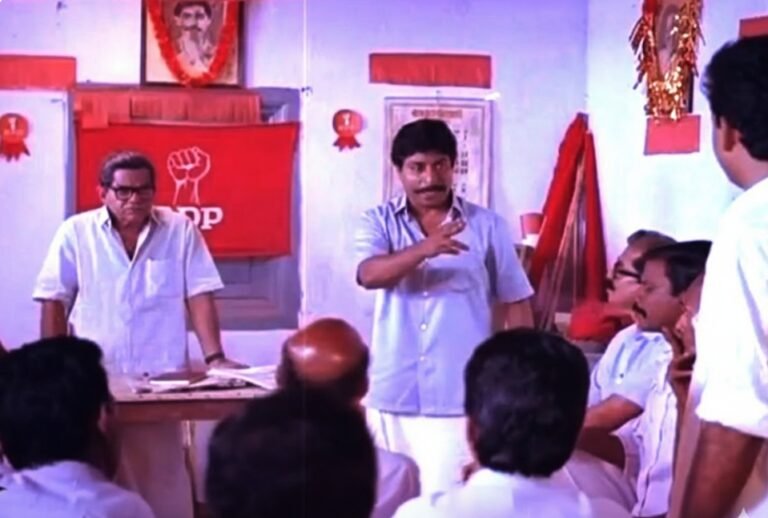
Sreenivasan’s greatest contribution to Indian cinema remains his sharp, incisive political and social satires. His 1991 film Sandesham remains a cult classic, with its political commentary still widely discussed in Kerala’s socio-political circles today.

As a director, his works Vadakkunokkiyantram (1989) and Chinthavishtayaya Shyamala (1998) won both State and National Film Awards. His scripts for hits like Nadodikkattu, T.P. Balagopalan M.A., Udayananu Tharam, and Katha Parayumpol are considered some of the best in the history of Mollywood.

The People’s Actor

Sreenivasan wasn’t just a writer; he was a beloved actor. From the insecure Thalathil Dineshan in Vadakkunokkiyantram to the iconic detective Vijayan in Nadodikkattu and the egoistic superstar Saroj Kumar in Udayananu Tharam, he created characters that were both relatable and hilariously flawed. His last screenplay was for the 2018 hit Njan Prakashan, directed by Sathyan Anthikad.

He is survived by his wife, Vimala, and his two sons—Vineeth Sreenivasan (director, singer, and actor) and Dhyan Sreenivasan (actor), both of whom have followed in their father’s footsteps in the film industry.

Neymar Set for Knee Surgery: Brazilian Star Eyeing Long-Term Stay at Santos

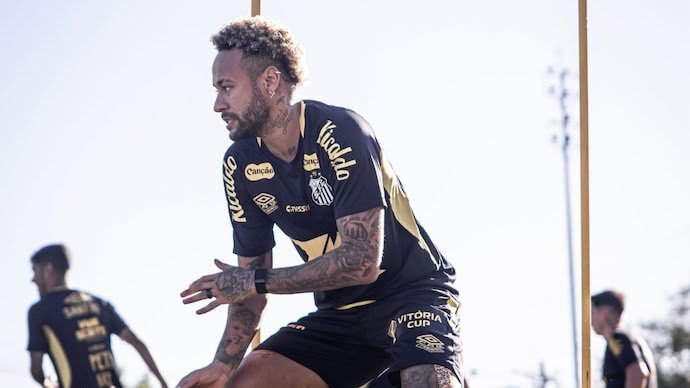
SAO PAULO – Brazilian football icon Neymar is scheduled to undergo arthroscopic surgery on his left knee this coming Monday, December 22nd. The procedure, which will take place in Sao Paulo, marks a pivotal moment for the forward as he looks to regain full fitness ahead of a busy 2026 calendar.

​Medical experts estimate a relatively short recovery window, with Neymar expected to return to the pitch within 20 to 30 days following the operation. This timeline suggests he will be ready in time for the start of the competitive season.

​Contract Status and World Cup Ambitions

​While rumors have swirled regarding his future, there has been no official contract renewal proposal from Santos FC just yet. Sources close to the situation indicate that all parties are waiting for the successful completion of the surgery before sitting down at the negotiating table.

​However, the current sentiment remains clear: Neymar intends to stay at Santos until the 2026 World Cup. His desire to remain in his homeland suggests a commitment to finding his peak form in a familiar environment leading up to the global tournament.

​A Full Calendar Ahead

​If the surgery proceeds as planned and a contract extension is finalized, fans can expect to see Neymar lead the “Peixe” across all major competitions. There are currently no obstacles preventing his participation in:

  • Campeonato Paulista
  • Brasileirão (Brazilian League)
  • Copa do Brasil
  • Copa Sudamericana

​By opting for surgery now, Neymar is effectively clearing the path for an uninterrupted 2026 campaign, fueling hopes for both Santos supporters and the Brazilian national team.

​”Pinarayi Govt Would Have Banned ‘Sandhesham’ Today”: V.D. Satheesan Slams CPIM Over Intolerance

0

THIRUVANANTHAPURAM: In a scathing attack on the Left Democratic Front (LDF) government, Leader of the Opposition V.D. Satheesan claimed that if the iconic political satire Sandhesham were released today, the Pinarayi Vijayan-led government would have likely banned it.

​Speaking to the media on Friday, Satheesan used the cult classic film to highlight what he described as the CPIM’s growing intolerance toward political criticism and artistic freedom. He saluted the legendary actor and screenwriter Sreenivasan for his visionary writing, noting that the satirical dialogues between characters played by Sreenivasan and Sankkaradi remain remarkably relevant in today’s political climate.

Cracking Down on Satire

​Satheesan’s comments come in the wake of recent government actions against parody songs and social media content that criticize the administration. He alleged that the government is systematically curbing freedom of expression by targeting those who use humor or satire to expose administrative failures.

​”The dialogues in Sandhesham are a testament to Sreenivasan’s foresight. He accurately depicted the political hypocrisy we see today. However, under the current regime, such creative critiques are being stifled,” Satheesan stated.

Local Body Election Fallout

​The Opposition Leader also mocked the CPIM for failing to learn from their recent setbacks in the local body elections. He remarked that despite a clear public mandate against the government, the ruling party continues to seek justifications rather than addressing the core issues of the people.

​Satheesan further criticized the government’s attempts to remove parody content from social media platforms, calling it a desperate move to hide from public dissent. He reiterated that the UDF remains committed to protecting the democratic right to criticize the government through art and satire.

​The controversy over the film Sandhesham—which famously poked fun at the blind ideological adherence of political cadres—has once again taken center stage in Kerala’s heated political discourse, serving as a metaphor for the ongoing clash between the ruling front and the opposition.

Defending Free Speech: Kunchan Nambiar Award Announced for Best Malayalam Parody Songs

0

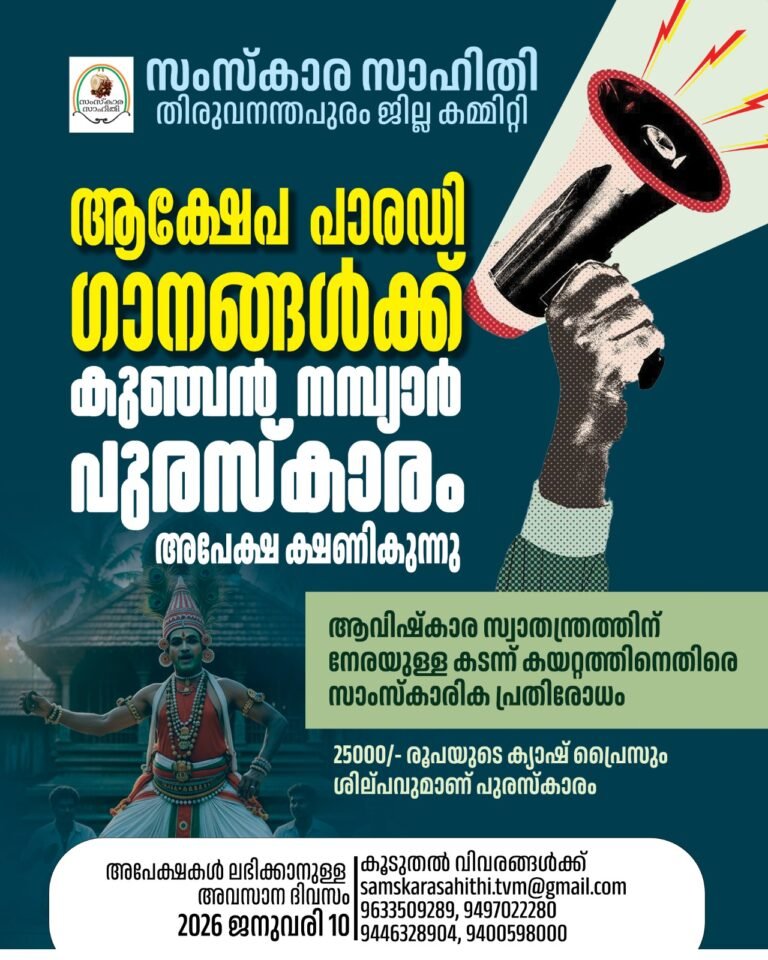
THIRUVANANTHAPURAM: In a unique move to celebrate satire and protect freedom of expression, the Samskara Sahithi Thiruvananthapuram District Committee has announced the Kunchan Nambiar Award specifically for Malayalam parody songs.

​The award aims to honor creative works that use humor and satire as a tool for social and political resistance. By focusing on parody, Samskara Sahithi seeks to build a defense against increasing intrusions into artistic freedom.

​The Legacy of Satire

​The award is named after the legendary poet Kunchan Nambiar, who famously used wit and social criticism to challenge even royalty. At a time when creative works often face censorship despite public rhetoric about free speech, the committee views this initiative as a political and cultural statement to uphold Nambiar’s legacy.

​Award Details & How to Apply

​The committee is inviting entries for the best parody songs that have made a social impact.

  • Prize: ₹25,000 Cash Prize and a Trophy.
  • Deadline: Entries must be submitted by January 10.
  • Required Info: The song file/link along with full details of the behind-the-scenes creators.

Submission Channels:

  • Email: samskarasahithi.tvm@gmail.com
  • WhatsApp: 9400598000, 9633509289, 9497022280, 9446378904