

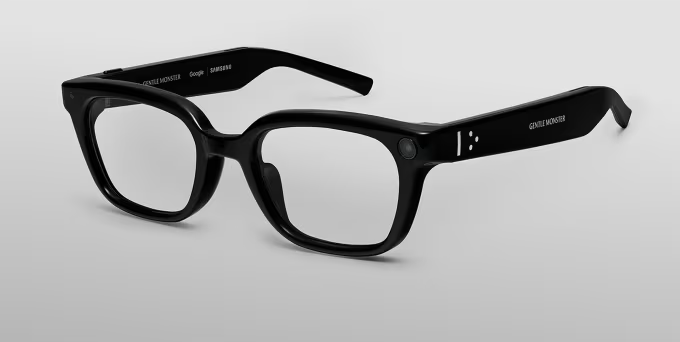

New Delhi: As tech giants continue to push the boundaries of wearable artificial intelligence, Google’s latest developments in smart glasses have once again ignited intense debates regarding public privacy and surveillance. While devices like smart glasses offer unprecedented convenience—integrating AI assistants, real-time translations, and hands-free recording—they bring formidable privacy challenges to the forefront.
Historically, products like early versions of Google Glass faced massive public scrutiny and consumer pushback due to the constant threat of covert recording. Today, as modern smart glasses become sleek, indistinguishable from normal eyewear, and heavily integrated with powerful AI models, these concerns have resurfaced globally. Regulators and privacy advocates point out that bystanders are frequently filmed or photographed without consent, raising serious questions about data collection, unauthorized social media content creation, and the erosion of public anonymity.

Companies developing these devices are attempting to implement safety measures—such as indicator lights when recording is active—yet critics argue that these safeguards can easily be obscured, bypassed, or missed entirely by the public. As adoption grows, tech companies face mounting pressure to find a sustainable balance between innovative design and stringent data protection rules.