

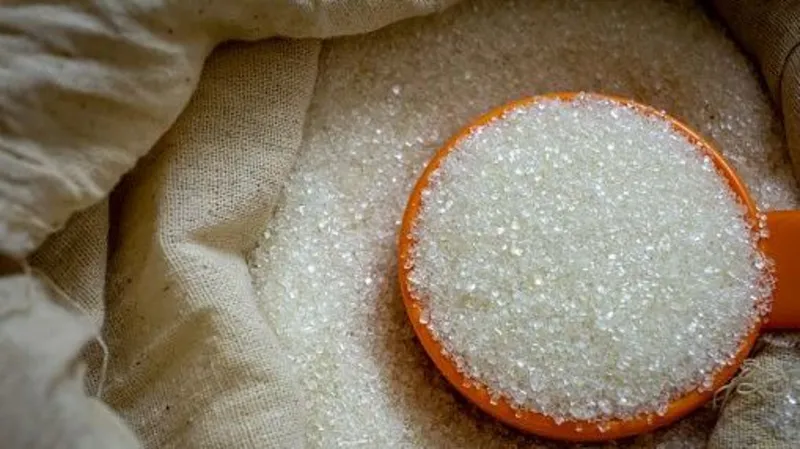

In a rare economic shift, India—the world’s largest sugar consumer and second-largest producer—has opened its ports to duty-free raw sugar imports for the first time in nearly ten years. The Directorate General of Foreign Trade (DGFT) announced a Tariff Rate Quota (TRQ) allowing 1 million metric tonnes (10 lakh tonnes) of raw sugar to enter the country duty-free through October 31.
The policy intervention comes after retail and wholesale sugar prices surged sharply in domestic markets, raising red flags ahead of the high-demand festival period running from Ganesh Chaturthi to Diwali.
Key Drivers Behind the Import Shift
Unfavorable Monsoon & Production Drop
Heavy rains and waterlogging across core sugarcane belts in Maharashtra and Karnataka damaged ratoon crops and lowered overall sucrose recovery rates. Domestic sugar output fell to approximately 296 lakh tonnes for the 2025-2026 season—the lowest level since 2019-20.
The Ethanol Diversion Challenge
India’s ambitious bio-fuel goal to reach 20% ethanol blending in petrol diverted nearly 3.4 to 3.5 million tonnes of sugar-equivalent feedstock into ethanol production, tightening the surplus cushion available for direct human consumption.
Depleted Opening Stock
Prior export quotas granted earlier in the season, combined with lower crushing output, drew down projected opening stocks for the upcoming crop year to 35–40 lakh tonnes, compared to 50 lakh tonnes a year prior.
Ex-Mill & Retail Inflation
Factory-gate prices jumped to ₹5,400–₹5,500 per quintal from ₹3,900 a year earlier, pushing retail rates in parts of North and West India above ₹55–₹60 per kilogram.

Market Reaction & Next Steps
Global commodity benchmarks responded instantly to news of India entering the buyer pool, with raw and white sugar futures rising around 4% on international exchanges. Meanwhile, the Indian government has clamped down on speculative hoarding by capping inventory limits for industrial bulk users (confectioners, beverage producers, and food processors using over 10 tonnes monthly) to 15 days of stock.
Industry bodies emphasize that the zero-duty raw sugar imports serve as a precautionary buffer to stabilize domestic supply chains and control retail inflation through the peak festival months.