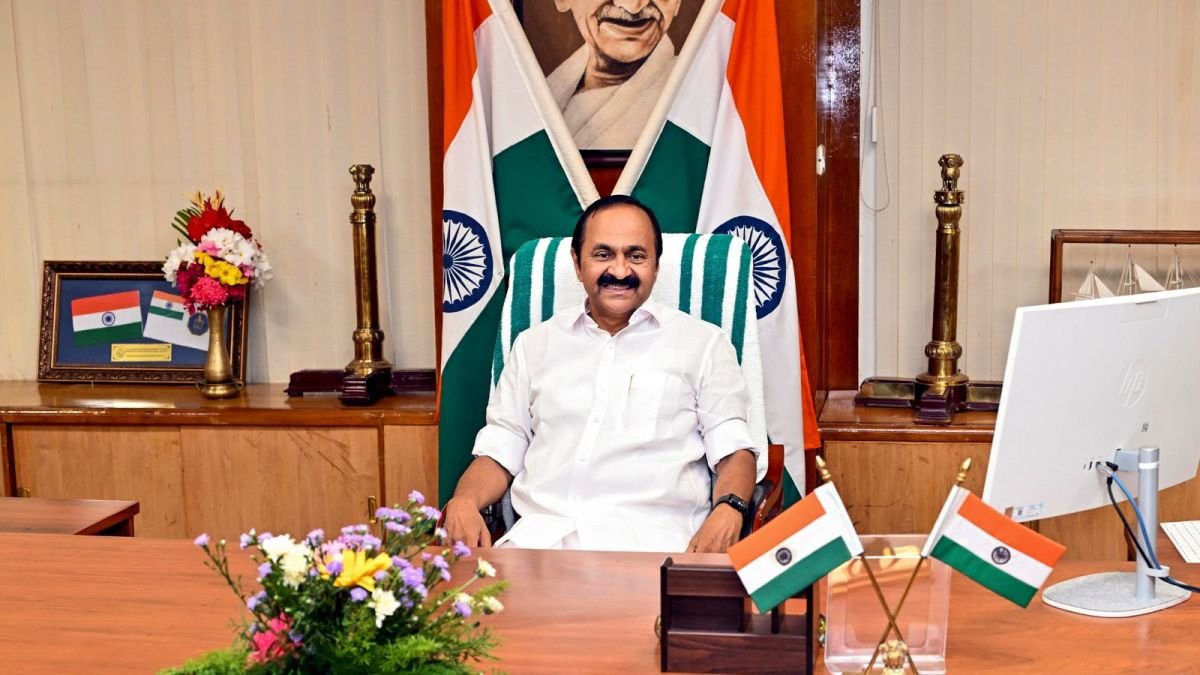



Thiruvananthapuram: Mayor V.V. Rajesh’s reported assurance that the Thiruvananthapuram Corporation will take strict action against excessive prices for drinking water and food items at multiplex theatres has triggered a debate over the actual legal powers of local bodies.
While the announcement may appear consumer-friendly, critics argue that the Corporation must first establish whether it has the statutory authority to directly regulate the selling price of food and beverages inside privately operated cinema theatres.

Who Has the Power to Regulate Theatre Prices?
The Supreme Court, in a 2023 judgment concerning cinema theatres, made important observations regarding the rights of theatre owners to sell food and beverages on their premises and determine their prices.
The legal position means that local bodies cannot simply assume that they have unlimited powers to fix the retail price of products sold inside private commercial establishments.
Therefore, if a municipal authority attempts to directly prescribe the price of bottled water or popcorn inside a theatre, the legality and enforceability of such an order could become a matter for judicial scrutiny.
Role of Legal Metrology and Consumer Protection Laws
The issue of excessive pricing at theatres and airports also involves the Legal Metrology framework and consumer protection laws.
Matters such as Maximum Retail Price, packaging, quantity, declarations on packaged commodities and compliance with applicable pricing rules fall within the relevant regulatory framework.
However, there is an important distinction between enforcing these laws and directly fixing the selling price of every product in a private commercial establishment.
Instead of claiming broad price-control powers, authorities can focus on ensuring compliance with applicable laws, proper display of prices, consumer rights and other mandatory requirements.
Free Drinking Water: A More Relevant Municipal Responsibility
One of the important issues arising from the Supreme Court’s 2023 ruling is the availability of clean drinking water to cinema-goers. Where theatres restrict customers from bringing outside food or beverages, the court’s ruling recognised the obligation to provide hygienic drinking water free of charge.
This is an area where local authorities can have a meaningful role.
Municipal authorities responsible for licensing and health-related inspections can verify whether theatres are maintaining the required basic facilities and whether free drinking water is actually available to customers.
The Political Question
Critics of the Mayor’s announcement have also raised a broader political question: if local authorities can promise to control prices inside multiplexes, can similar intervention be made at other privately operated commercial locations, including airports?
The reference to high prices at airport food and beverage outlets has become part of the political criticism surrounding the issue.
Opponents argue that instead of making declarations primarily aimed at attracting public attention, the Corporation should clearly distinguish between powers it actually possesses and matters that fall under other regulatory authorities.
Focus on the Corporation’s Core Responsibilities
The controversy comes amid continuing public expectations regarding municipal services in Thiruvananthapuram, including waste management, road maintenance, street lighting and basic civic infrastructure.
Critics therefore argue that the Corporation should focus on delivering its core responsibilities while using the powers legally available to it to protect consumers.
The issue of excessive pricing inside theatres is genuine and deserves regulatory attention. But an effective solution requires coordination between the appropriate authorities and enforcement of existing consumer and metrology laws.
Rather than making broad claims about price control, critics say the priority should be to ensure that theatres comply with the law, provide free drinking water where required, and respect the rights of consumers.