Monday, September 21, 2026
Home Blog Page 82

Kochi Dream on Ice: Argentina Friendly Faces Low Probability Amid World Cup Preparations

Kochi, October 26, 2025 — The eagerly anticipated friendly match featuring the Argentine national football team in Kochi, Kerala, has hit a major roadblock, with officials now citing a “low probability” for the contest to take place during the next FIFA window in March 2026.

​The fixture, which has been the subject of intense speculation and hope among Kerala’s massive football fanbase, was initially planned for November. However, that date was scrapped due to a combination of logistical hurdles, including the team’s strenuous travel schedule from a match in Angola and significant delays in securing FIFA accreditation for the renovated Kochi Kaloor Stadium.

​World Cup Priority Halts Plans

​While the sponsor, Anto Augustin, confirmed that an application has been submitted to FIFA to host the match during the March 23–31, 2026, international window and that talks were held with Argentine Football Association (AFA) President Claudio Tapia, the chances remain slim.

​The primary reason for the uncertainty is Argentina’s laser-sharp focus on preparing for the FIFA World Cup, which is scheduled to kick off on June 11, 2026, in the US, Canada, and Mexico.

​FIFA has designated two key windows for pre-tournament friendlies:

  1. March 23–31, 2026 (Two matches)
  2. June 1–9, 2026 (Two matches)

​The World Cup-bound team is expected to treat these four friendly opportunities as crucial practice sessions. Therefore, the priority will be to schedule matches against other qualified nations to fine-tune their strategy. Furthermore, playing in a location with a vastly different climate and a long travel distance from the North American host countries is considered counter-productive to their final phase of World Cup training.

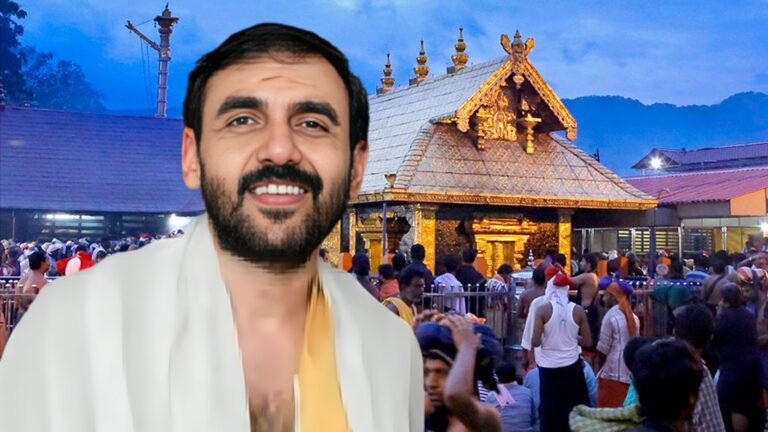
Sabarimala Gold Scam Suspect Unnikrishnan Potti Under SIT Scanner Over Multi-Crore Bengaluru Property Deals

0

KOCHI/BENGALURU: The Special Investigation Team (SIT) probing the Sabarimala gold theft case has uncovered multi-crore land dealings by the prime accused, Unnikrishnan Potti, in Bengaluru. The SIT seized documents related to the purchase of flats and land, indicating massive investments made by Potti, who is the first accused in the high-profile case.

The SIT confirmed that the investigation is focused on tracing the source of the funds used for these transactions, suggesting Potti was not a “small-time fish” as previously thought.

The SIT also raided a Chennai-based firm, Smart Creations, where the gold was allegedly melted and separated from the gold plates originally used in the temple’s Dwarapalaka (gatekeeper) sculptures.

Day-Long Raids Uncover Assets

The raid on Unnikrishnan Potti’s residence in Bengaluru, which began in the morning, continued late into the night. During the search, investigators confiscated jewelry, property documents, and records of various investments. The SIT found that Potti had purchased land and buildings in his own name, as well as in the names of his partner, Ramesh Rao, and Rao’s wife, besides engaging in interest-lending activities. The investigation is currently split into multiple teams to follow various leads.

The SIT successfully recovered 400 grams of gold bars from a jewelry store, Roddam Jewels, in Bellary, Karnataka. This gold is suspected to have been stolen by Potti from the temple sculptures. Following Potti’s confession that he sold the gold to Gowardhan, the owner of Roddam Jewels, the team executed the raid and seizure. Additionally, 176 grams of gold ornaments and property deeds were seized from Potti’s flat in Bengaluru.

The extensive seizures highlight the gravity of the financial malpractices allegedly committed by Potti, raising questions about the scope of the gold theft and the network involved in liquidating the temple’s precious metal.

CPM Prepares to Reclaim Key Thiruvananthapuram Seat for 2026 Assembly Polls; Arya Rajendran, T.N. Seema Emerge as Frontrunners

0

THIRUVANANTHAPURAM: In a significant move ahead of the 2026 Assembly elections, the Communist Party of India (Marxist) is reportedly preparing to take over the crucial Thiruvananthapuram Assembly constituency, currently held by its minor Left Democratic Front (LDF) ally, the Janathipathya Kerala Congress (JKC).

​The decision is part of the CPM’s broader strategy to contest the maximum possible number of seats in the upcoming polls. The immediate trigger for the takeover of the Thiruvananthapuram seat is understood to be the legal setback faced by the incumbent MLA, Antony Raju of the JKC.

​Sources indicate that the CPM has already begun the internal process of identifying a strong candidate for the constituency. The party’s focus has narrowed down to two prominent women leaders:

  1. Arya Rajendran: The current Mayor of the Thiruvananthapuram Corporation, who has gained high visibility and is seen as a young, dynamic face.
  2. T.N. Seema: A veteran party leader and former Member of Parliament, known for her experience and political acumen.

​The potential move signals a shift in the LDF’s seat-sharing dynamics in the state capital and delivers a major setback to Antony Raju, whose political future is now uncertain following the party’s decision to reclaim the seat.

​The final decision is expected to be formalized by the party leadership in the coming months as they strategize for a successful campaign in the 2026 election cycle. The candidature of either Arya Rajendran or T.N. Seema would inject a fresh dynamic into the high-stakes political battle for the capital city.

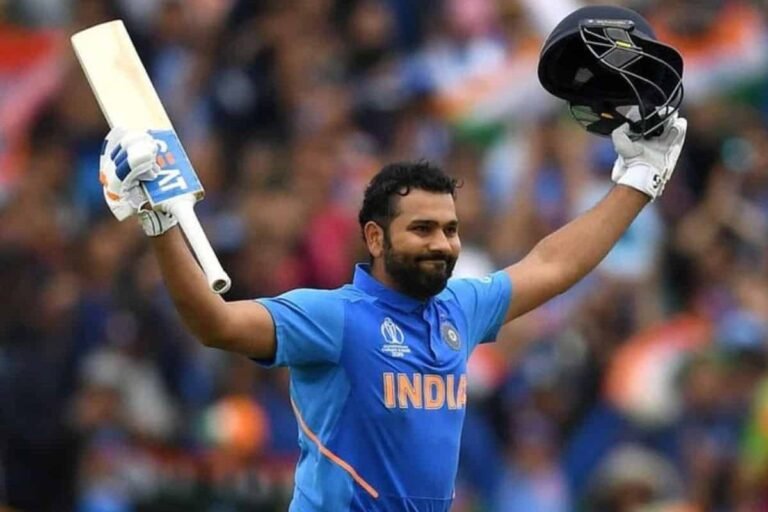
Hitman’s Final Bow? Rohit Sharma to Retire After 2027 ODI World Cup, Confirms Coach

New Delhi: Veteran batter Rohit Sharma is reportedly planning to hang up his boots after the 2027 ICC Cricket World Cup. The news comes directly from Sharma’s childhood coach, Dinesh Lad, who confirmed the timeline following the ‘Hitman’s’ explosive performance against Australia.

​Speaking to the media after India’s dominating nine-wicket victory over Australia in the third ODI in Sydney, Lad expressed his joy over his protégé’s form and future plans.

​”He will play the 2027 ODI World Cup and retire after that,” Dinesh Lad stated emphatically, bringing clarity to the future of one of modern cricket’s most destructive openers.

​The confirmation follows a stellar run of form for the 38-year-old, who was instrumental in India’s recent success. In the final ODI against Australia, Rohit smashed his 50th international century, scoring a commanding 121* that steered India to an emphatic series win. His performance earned him both the Player of the Match and Player of the Series awards, finishing as the top run-scorer with 202 runs.

​During the chase of 237, Rohit shared an unbeaten 168-run partnership with long-time teammate Virat Kohli (74*), a combination that thrilled the crowd and proved decisive in the victory. The coach also briefly touched upon Kohli, defending the star batter against recent media speculation.

​While the news provides a clear timeline for the superstar’s final run, it ensures that one of the game’s greatest white-ball players will be targeting one last global triumph—the 2027 ODI World Cup—before drawing curtains on his illustrious career.

Kerala Braces for Thunderstorm Chaos: IMD Issues Orange Alert for Kozhikode and Kannur

0

THIRUVANANTHAPURAM: The Central Meteorological Department (IMD) has issued Orange and Yellow alerts for various districts across Kerala, forecasting significant rainfall and severe weather over the next four days (October 25 to 28, 2025). The warning comes with extensive public advisories from the State Disaster Management Authority (SDMA), urging extreme caution.

Orange Alert (Very Heavy Rainfall)

An Orange Alert has been declared for Kozhikode and Kannur districts on October 27, 2025. This indicates a high probability of Very Heavy Rainfall, defined by the IMD as precipitation between 115.6 mm and 204.4 mm within a 24-hour period.

Yellow Alert (Isolated Heavy Rainfall)

A Yellow Alert has been issued across numerous districts, indicating the likelihood of isolated heavy rainfall (64.5 mm to 115.5 mm in 24 hours), often accompanied by thunderstorms.

DateDistricts Under Yellow Alert
October 25, 2025Kannur, Kasaragod
October 26, 2025Thrissur, Malappuram, Kozhikode, Wayanad, Kannur, Kasaragod
October 27, 2025Alappuzha, Idukki, Ernakulam, Thrissur, Palakkad, Malappuram, Wayanad, Kasaragod
October 28, 2025Thiruvananthapuram, Kollam, Pathanamthitta, Alappuzha, Kottayam, Idukki, Ernakulam

Key Public Safety Directives

The SDMA has issued a series of critical warnings, urging the public to exercise maximum vigilance:

  1. Evacuation: Residents in areas prone to landslides, mudslides, and flash floods must move to safer locations as instructed by local authorities.
  2. Water Bodies: Those residing near riverbanks and downstream areas of dams should also evacuate preemptively.
  3. Shelter: Individuals in disaster-prone zones are strongly advised to confirm the location of local relief camps and shift there during daytime hours, coordinating with local administration and revenue officials.
  4. Travel Restrictions: All non-essential travel should be strictly avoided during heavy rainfall. Recreational trips to waterfalls, reservoirs, and hilly areas are completely restricted until the warning subsides.
  5. Water Safety: Under no circumstances should individuals attempt to cross rivers, or enter water bodies for swimming, fishing, or other purposes during heavy rain. The public is also warned against viewing or taking selfies on overbridges above water bodies.
  6. Wind Safety: Residents in houses with weak structures or weak roofs must exercise special caution due to the potential for strong winds and should move to safer places if their dwellings are deemed unsafe.
  7. Emergency Preparation: An emergency kit should be prepared immediately. Guidelines for preparing this kit are available on the SDMA website.

The SDMA has reminded the public that alerts may change based on the IMD’s updates and advised constant monitoring of the authority’s official Facebook and Twitter pages. The 24/7 Taluk and District control rooms can be reached via the toll-free numbers 1077 and 1070 for assistance

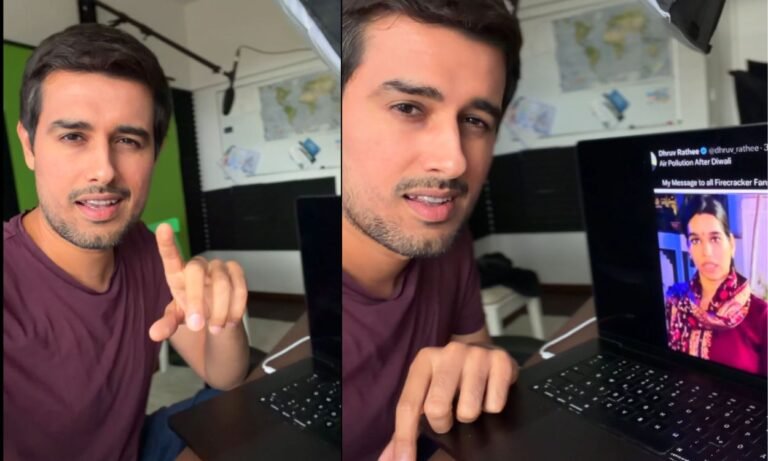
Health Hazard or Holy Tradition? Dhruv Rathee’s Viral Video Warning Against Cow Dung Consumption Sparks Heated Debate

NEW DELHI: Prominent Indian YouTuber and activist Dhruv Rathee posted a video on X (formerly Twitter) on October 25, 2025, sending a strong cautionary message against the consumption of cow dung, citing serious public health risks. The video, which has quickly gone viral, aims to debunk long-standing, yet medically unsubstantiated, claims about the practice.

Rathee explicitly warned his large following about the dangers posed by pathogens like E. coli and various parasites, which are commonly found in animal waste. According to Rathee, consuming cow dung can lead to severe infections, including food poisoning and cryptosporidiosis.

Medical Consensus on Hazards

Medical experts have consistently confirmed these warnings. Cow manure is a known carrier of numerous pathogenic microorganisms, including strains of E. coli (which can cause severe diarrheal illness and kidney failure), Salmonella, and protozoa like Cryptosporidia and Giardia. While unproven claims promoting cow dung as a remedy to boost immunity gained traction, particularly during the COVID-19 pandemic, healthcare professionals stress that ingestion poses a direct risk of fecal-oral transmission of disease.

The video, which garnered over 10,000 likes and thousands of reposts within hours, elicited a sharply polarized reaction on social media. Many users applauded Rathee for using his platform to promote science and debunk health myths, seeing it as a necessary intervention against misinformation.

However, the post also drew swift criticism from other quarters. Critics labeled the video as culturally insensitive, arguing that it disrespects Indian traditions and practices where cow products are revered and used in Ayurvedic medicine and religious rituals for their perceived purifying properties. The debate underscores the delicate balance between scientific advice and deep-seated cultural beliefs in India.

Kerala Temples Shine in Gold: Devotees Pour in Tonnes of Precious Metal Despite Record Prices

0

KOCHI: Even as gold prices soar to break records, the temples of Kerala continue to glitter, fueled by the unwavering devotion of millions of faithful worshippers. Data shows that the offerings of precious metals like gold and silver have seen no decline, even as the value of the metals climbs steeply.

The Guruvayur Temple continues to be a major recipient of valuable metal offerings. Annually, devotees offer between 20 to 25 kilograms of gold and 120 to 150 kilograms of silver to the temple. In October 2025 alone, the temple received 2.58 kg of gold and 9.31 kg of silver.

The Sabarimala Temple, which is open only for about three months during the main pilgrimage season, receives approximately 15 kilograms of gold in that short window. Across Kerala, over 3,000 temples receive precious metals in various forms, including ornaments, coins, idols, and ceremonial objects.

India’s Massive Religious Gold Hoard

Kerala contributes significantly to India’s gold requirement (25-28% of the country’s annual consumption of 600–800 tonnes), according to the World Gold Council (WGC). The report notes that temples, churches, and religious institutions receive substantial gold donations. The WGC estimates that temples across India may hold a staggering 2,000–4,000 tonnes of gold reserves, potentially increasing from an estimated 1,000 tonnes before 1968. The report further suggests that 1,000–3,000 tonnes of this reserve may have been contributed by private individuals.

Monetisation and Earnings

V.K. Vijayan, Chairman of the Guruvayur Devaswom, stated that most of the gold received by the temple is in the form of ornaments and other articles. “The majority of the gold we receive falls under various categories. We deposit it with the SBI Mumbai branch, where it is converted into gold bars. We also receive an annual interest of around 2–2.5 per cent on the value of the deposited gold,” he explained.

Vijayan also mentioned that silver, which was previously stored in strong rooms without being monetised, is now being processed. “Recently, we deposited around 5 tonnes of silver at the SBI Hyderabad branch, where it was converted into bars. We are currently awaiting permission from authorities to auction it via the bank,” he added.

Focus on Formalisation

The public scrutiny on temple wealth increased following the revelation of the vast treasures of the Sree Padmanabhaswamy Temple in Thiruvananthapuram after a Public Interest Litigation (PIL) in 2009. Consequently, when the Gold Monetisation Scheme (GMS) was introduced in 2015, the focus shifted to how temples across India could contribute their gold reserves to the formal economy.

According to the latest audit report (2020-21) of the Guruvayur temple, 834 kilograms of gold have been deposited with the State Bank of India under the GMS, yielding an annual interest of approximately ₹5.4 crore.

In 2023, the Kerala High Court permitted the Travancore Devaswom Board (TDB) to deposit 535 kilograms of temple gold with the State Bank of India under the GMS for a five-year period. In 2024, the Board transferred 467 kilograms of gold to the Reserve Bank of India (RBI).

As part of this process, the TDB, under the supervision of the Thiruvabharanam Commissioner, has ensured precise documentation and preservation of its precious assets by categorizing the gold stored across its 18 strong rooms into Category A (Historical Treasures), Category B (Daily Ritual Assets), and Category C (Miscellaneous gold fragments).


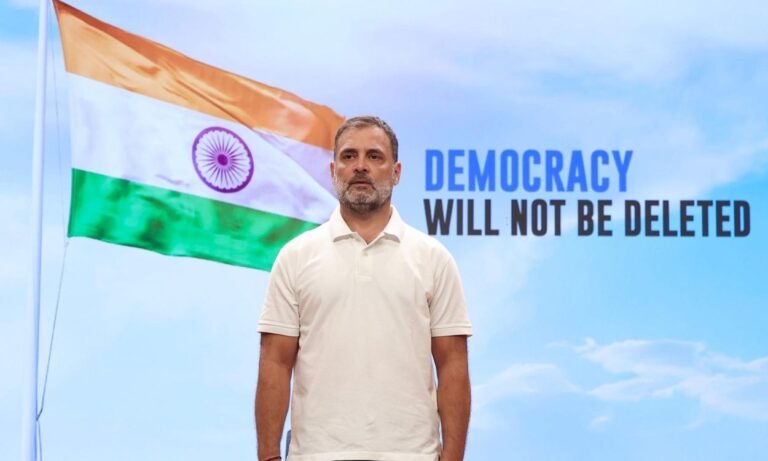
Rahul Gandhi’s Defining Moment: Can He Lead the INDIA Bloc to Victory in Bihar Amid Internal Tussles?

0

NEW DELHI: Rahul Gandhi has arrived at another crucial juncture requiring him to provide decisive proof of his political efficacy—this time, in the upcoming Bihar Assembly elections. While the Congress party recovered a degree of confidence after the 2024 Lok Sabha polls, the constituent parties within the INDIA alliance remain deeply embroiled in disputes over seat sharing, a factor that highlights the perceived limited negotiation power of Gandhi compared to other alliance leaders.

The era when Congress naturally commanded the lead in North India, characteristic of the times of Indira and Rajiv Gandhi, is definitively over. However, the current Congress party’s persistent “big brother” attitude in negotiations is not being received favorably by its alliance partners, creating friction at a critical time.

The Urban Persona vs. Rural Pulse

Gandhi has dedicated significant effort to reinventing his personal brand—from the ‘Bharat Jodo Nyay Yatra’ to traveling on motorcycles and walking among the populace. This attempt to turn politics into a human relationship is evident, yet his public persona continues to exhibit a distinct “urban” flavor. Unlike his grandmother, Indira Gandhi, he has yet to master the ability to effectively tap into the rural pulse, which remains vital for electoral success in Hindi heartland states.

The ongoing uncertainty surrounding seat division in Bihar sharply underscores his current political standing. Discussions between the Rashtriya Janata Dal (RJD), Congress, and the Left parties are far from finalized. The emergence of “alliance-within-alliance fights”—where two partner parties claim the same constituencies—shows the structural fragility of the coalition. The failure to conclude negotiations even before the nomination deadline speaks volumes about the alliance’s inherent weaknesses.

Congress’s demand for all seats they won or came in second in the previous election was reportedly viewed by the RJD as excessive, consequently constraining Gandhi’s negotiating authority.

The Organisational Challenge

While Gandhi consistently projects an image of stability and human connection over grand political rhetoric, the critical issue remains the lack of commensurate organizational strength within his own party. Although he catalyzed a revival during the Lok Sabha elections, sustaining that momentum at the state level has proven challenging.

Past incidents, such as a 2019 Gulf News report noting that opposition parties lost several Bihar constituencies following his rallies, illustrate that his personal popularity does not always translate into spontaneous organizational support.

Rahul Gandhi’s central dilemma appears to be his inability to project the “royal ruralism” with strength, as Indira Gandhi did. He possesses the soft, urban sensibilities of Rajiv Gandhi, but this refinement hinders his connection with the deeply rooted masses. His allies respect him within the INDIA coalition, but they do not obey him without question.

Bihar is thus his proving ground: a test of whether he can translate his personal resolve into tangible organizational reality. A victory will solidify the self-respect Congress regained after 2024. A defeat, however, might just become another memory. Like Bruce, he will undoubtedly try again, but the real question is whether the electorate will afford him another chance.

Mohanlal and Tharun Moorthy to Reunite After 300 Crore Blockbuster ‘Thudarum’

0

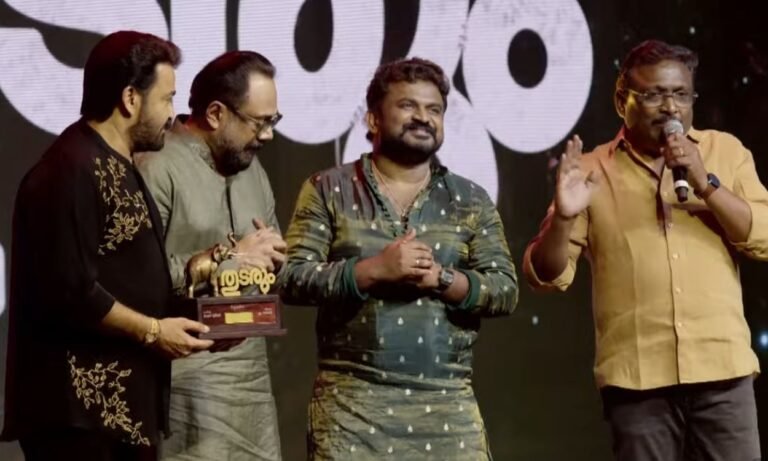
KOCHI: The acclaimed creative team behind the box office history-maker Thudarum is officially set to reunite for another major feature film. The partnership between Megastar Mohanlal, celebrated young director Tharun Moorthy, and veteran producer M. Ranjith will collaborate again following the massive success of their latest venture.

The announcement was made by producer M. Ranjith during the ‘Thudarum’ success meet held today. Ranjith confirmed that the core ‘Thudarum’ team—which delivered one of the biggest hits in Mohanlal’s career—is keen to continue their winning association and is already planning their next project together.

Box Office Phenomenon:

Thudarum achieved spectacular financial success, becoming a landmark film in Malayalam cinema. Reports indicate that the movie, which was produced on a modest budget of just ₹25 Crore, went on to gross an astonishing figure of over ₹300 Crore globally.

This staggering performance underscores the incredible synergy between the lead actor, the director, and the production house. Fans and industry observers are eagerly anticipating the details of this new collaboration, expecting the team to replicate or even surpass the record-breaking success of ‘Thudarum’.

Producer M. Ranjith hinted that further details regarding the genre and cast of the new film will be unveiled soon, assuring that the same dynamic team will be driving the new project. This reunion is set to ignite a new wave of excitement in the Malayalam film industry.

Political Drama Repeats: Pinarayi Vijayan’s ‘Surrender’ to BJP Revives ‘Roudram’ Film’s Scathing ‘Traitor’ Dialogue

0

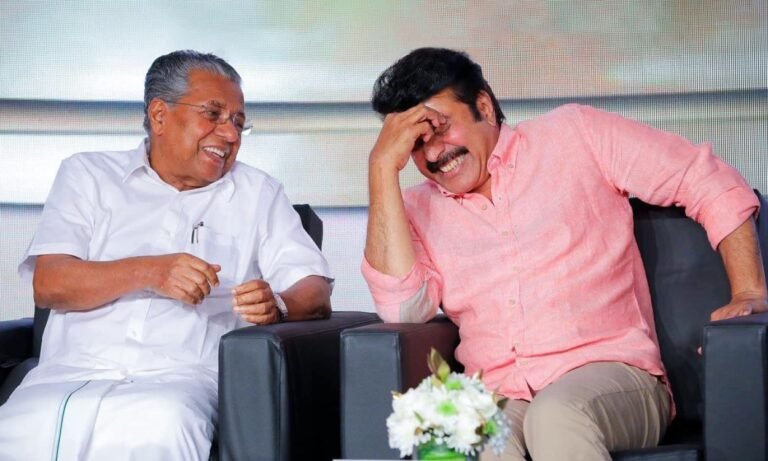
THIRUVANANTHAPURAM, OCTOBER 25, 2025 — A scathing dialogue from the 2008 Malayalam film Roudram, originally perceived as a reflection of the deep-seated political rivalry between then-CM V.S. Achuthanandan and CPM Secretary Pinarayi Vijayan, has unexpectedly surged back into the political mainstream. Today, the dialogue is being weaponized by critics against Chief Minister Pinarayi Vijayan, alleging a complete capitulation to the BJP-led central government.

​Directed by Renji Panicker, the film featured a plot where a Chief Minister attempts to manipulate a police investigation—led by Mammootty’s character—to shield his own son, who is portrayed as the villain. This scenario provides the crucial context for the famous monologue that is now intensifying the current political debate.

​The Dialogue’s Chilling Relevance

​The climactic portion of the dialogue, delivered by Mammootty’s character to the fictional Chief Minister, resonates with chilling relevance to the present:

“When power, titles, and positions are stripped away, and a pyre burns down in the vast graveyard where great men rest, when the last ‘Inquilab’ is proclaimed, only one final epithet will remain engraved in the hearts of the people, in the hearts of comrades, in the heart of your movement: ‘A leftist but arrogant, a comrade who betrayed.’ In one word, Sir: ‘Ottukaran’ (Traitor).

​From Comrade to ‘Father’

​Critics argue that this ‘Ottukaran’ label now accurately defines Chief Minister Vijayan, who has governed Kerala since 2016. The accusation is that he has entirely “swallowed” Communist values and principles to protect his family.

​The controversy is exacerbated by ongoing central agency investigations into the Chief Minister’s daughter, Veena Vijayan, and the recent summons issued by a central agency to his son. Critics assert that Pinarayi Vijayan has abandoned his Communist principles and become merely a “father” desperate to shield his children.

​Political commentators suggest the recent sequence of events—including the lack of further action on the son’s summons and the slow pace of investigation in the daughter’s case—is evidence that the CM’s alleged “fall at the feet of the BJP” has borne fruit.

​The PM-Shri Turning Point

​The most recent development adding credence to the ‘surrender’ narrative is the Chief Minister’s decision to finally sign off on the Centre’s PM-Shri scheme, a project the state had initially opposed with fierce ideological resistance. This move stands in stark contrast to the firm opposition maintained by fellow non-BJP CMs, such as Tamil Nadu’s M.K. Stalin and West Bengal’s Mamata Banerjee.

​For critics, Pinarayi Vijayan’s bowing down on the PM-Shri issue mirrors the defeated posture of the Chief Minister’s character in Roudram—a poignant visual metaphor of a Communist leader allegedly betraying the party’s tenets and principles for the sake of his family.

​Historians and political analysts warn that the Chief Minister, who once championed unyielding ideological rigidity, risks being recorded in history solely as an “Ottukaran”—the traitor who sold out for his children.