
Monday, September 21, 2026
Home Blog Page 109

The Kantara Effect: How Rishab Shetty Built a ₹700 Crore Cinematic Empire from the Soul of a Village

0

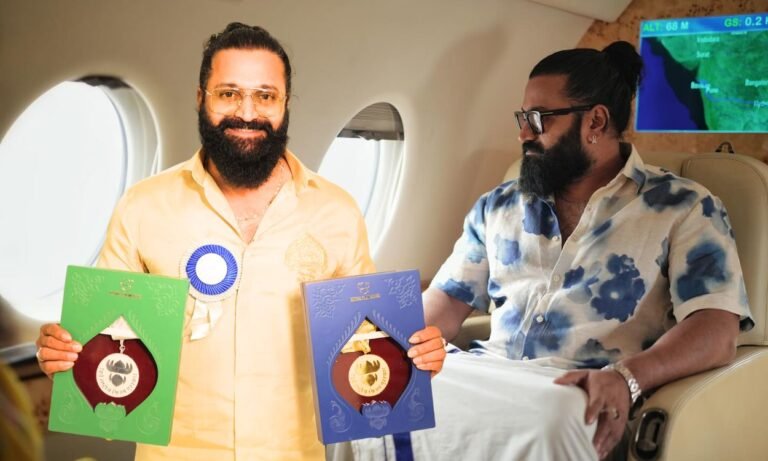
In the world of Indian cinema, blockbusters are often synonymous with metropolitan gloss, high-fashion protagonists, and urban-centric themes. Then, in 2022, a cinematic earthquake erupted from the soil of coastal Karnataka, shaking the foundations of this belief. That earthquake was Kantara, a film so deeply rooted in its local culture that it became a global phenomenon. At the heart of this revolution is its creator, Rishab Shetty—a man whose life story is as compelling and inspiring as the epics he portrays on screen. His journey from a small coastal village to the helm of a franchise worth over ₹700 crore is a powerful testament to the idea that the most universal stories are often the most personal ones.

Rishab Shetty’s success is not a tale of overnight luck; it is a masterclass in grit, perseverance, and an unwavering belief in one’s roots. It sends a clear message to dreamers everywhere: success is not merely about dreaming, but about the relentless hard work required to bring those dreams to life, often by starting with the most menial of tasks.

The Formative Years: The Soil of Kundapura

Rishab Shetty was born and raised in Kundapura, a quaint coastal town in Karnataka. This wasn’t just his home; it was his muse. The region is steeped in ancient traditions, vibrant folklore, and the powerful performing art of Yakshagana. This cultural tapestry became the very fabric of his creative DNA. He completed his schooling in Kundapura before moving to Bengaluru to pursue a B.Com degree at Vijaya College. But the bustling city could not sever his connection to the arts.

His passion for acting found an early outlet in theatre. Back in Kundapura, he immersed himself in local plays, and this passion traveled with him to Bengaluru. While juggling his commerce studies, he was an active member of the college’s theatre scene. His talent was undeniable; he won the Best Actor award for his role in the acclaimed play Ghashiram Kotwal, a sign of the formidable performer he was destined to become.

The Grind in Gandhinagar: A Dream Forged in Hardship

Armed with a college degree and a diploma from the Government Film and Television Institute in Bengaluru, Rishab knew that a formal education was no golden ticket to cinematic stardom. The Kannada film industry, colloquially known as Gandhinagar, is a world where connections and perseverance matter as much as talent. To survive and stay close to his dream, Rishab embraced the grind. He took on any job he could find on film sets, no matter how small.
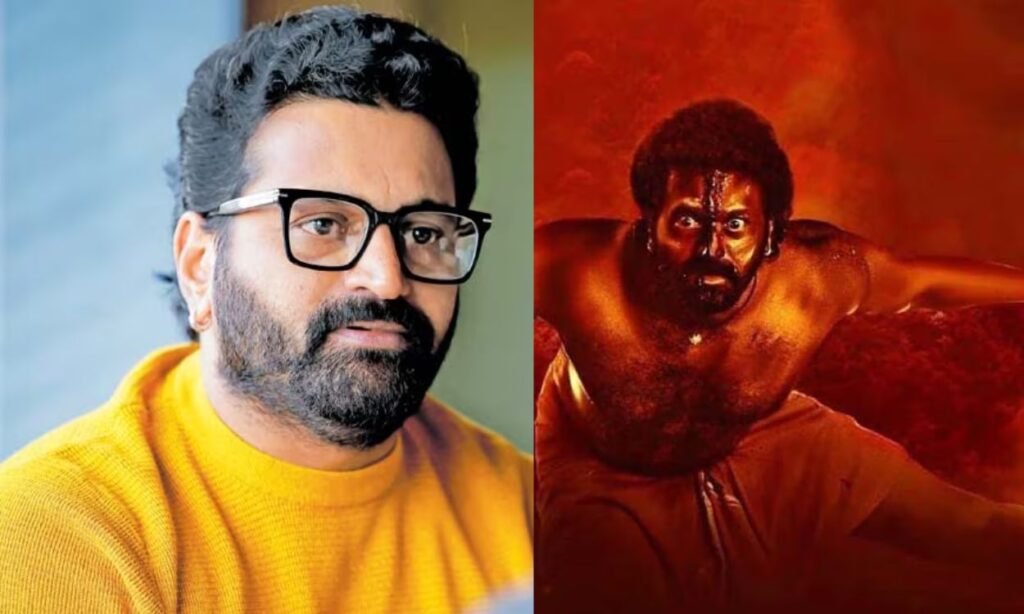
Rishab Shetty life and career

His early resume in the film world included roles as a clap boy, a driver, and even delivering mineral water bottles to the cast and crew. But these were not just odd jobs; they were his real-world film school. From the lowest rung of the production ladder, he observed, learned, and absorbed everything about the craft of filmmaking. He understood the rhythm of a film set, the language of the crew, and the unspoken hierarchy of the industry. This period of struggle forged an unshakeable work ethic and a profound humility that he carries with him even today.

The Ascent: Finding His Voice as a Filmmaker

His first significant step up came in 2006 when he landed the role of an assistant director on the Kannada film Cyanide. The journey was slow, but a pivotal moment arrived when he met and befriended Rakshit Shetty, another aspiring artist who would go on to become a major star and filmmaker. Their creative synergy and mutual respect would define a new wave in Kannada cinema.

After a minor acting role in the 2012 film Tuglak, Rishab first gained significant recognition for his performance in Rakshit Shetty’s directorial masterpiece, Ulidavaru Kandanthe (2014). This role proved he had the charisma and skill to hold his own on screen.

However, his true calling was in telling his own stories. In 2016, he made his directorial debut with Ricky. While the film was a modest success, his second directorial venture that same year, Kirik Party, became a runaway blockbuster. The campus comedy-drama resonated with audiences across the state, becoming a cult classic and announcing the arrival of a major new directorial talent. He followed this with the critically acclaimed children’s film, Sarkari Hi. Pra. Shaale, Kasaragodu, Koduge: Ramanna Rai, which won the National Film Award for Best Children’s Film, cementing his reputation as a filmmaker of substance and versatility. His powerhouse acting performance as a gangster in Garuda Gamana Vrishabha Vahana further showcased his incredible range.

The Kantara Revolution: When a Local Myth Conquered the World

All his past experiences culminated in Kantara. The film’s success lies in a simple, yet profound principle: tell a story you know intimately. Rishab didn’t look for a trendy urban theme; he looked inward, into the myths and legends of his own village. He chose to tell the story of the Bhoota Kola, a ritualistic performance honouring the local deities, focusing on the twin spirits of Guliga and Panjuruli Daiva.

What he created was not just a film, but a raw, visceral, and deeply spiritual experience. He authentically captured the primal conflict between man and nature, the sacredness of tradition, and the unshakeable power of faith. The film’s climax, featuring Rishab’s breathtaking performance, left audiences across the globe speechless. Kantara proved that cinematic language transcends cultural barriers. It demonstrated that a story told with conviction and authenticity, no matter how hyperlocal, can find a universal audience.

Full Circle: A Return to the Roots

As he prepares for the prequel, Kantara Chapter 1, Rishab has made a decision that speaks volumes about his character. He moved his entire family from the metropolis of Bengaluru back to his native Kundapura. His children now attend the local school where he once studied. To meticulously research and write the next chapter of his magnum opus, he needed to be physically and spiritually reconnected to the land that birthed the story.

This move is symbolic of his entire journey. His success did not lead him away from his roots; it empowered him to return to them, stronger and more certain of his purpose. The man from the coastal village has built a ₹700 crore empire, not by forgetting where he came from, but by celebrating it on the world stage. Rishab Shetty’s life is an awakening for dreamers everywhere, a powerful reminder that sometimes, the greatest treasures are buried in your own backyard, waiting to be unearthed.
Tata Motors Slips Below ₹700: An Investor’s Guide to the Demerger and Key Dates

0

MUMBAI: Shares of auto major Tata Motors have come under heavy selling pressure, tumbling 6.8% over the last four trading sessions as the record date for its much-anticipated business demerger approaches. The stock fell below the psychologically important ₹700 mark on Wednesday, closing at ₹689.3 on the BSE.

The decline is largely driven by investor and trader adjustments ahead of the planned split of the company into two separate listed entities: one for its commercial vehicle (CV) business and another for its passenger vehicle (PV) business. Investors are also closely watching the phased restart of production at its UK-based luxury arm, Jaguar Land Rover (JLR), which commenced on October 8 after a halt due to a cyber incident.

For shareholders, this is a pivotal moment. Here’s everything you need to know about the demerger.

What is the Demerger Plan?

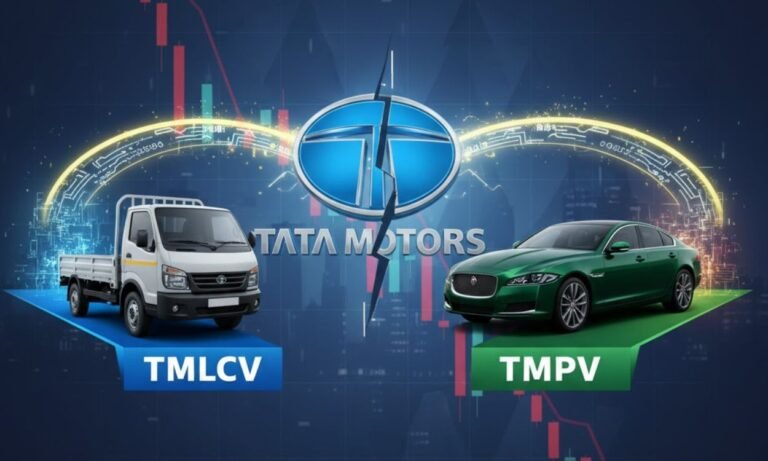
Tata Motors is undertaking a 1:1 demerger, which will result in two independently listed companies, allowing for a more focused approach to each business vertical.

  1. TML Commercial Vehicles (TMLCV): This entity will house the entire commercial vehicle business, including trucks and buses.
  2. Tata Motors Passenger Vehicles (TMPV): This entity will consist of the passenger vehicle portfolio, including cars, SUVs, electric vehicles, and the prestigious Jaguar Land Rover.

For Shareholders: Under the approved scheme, for every one share of Tata Motors held, an investor will receive one share of the new TML Commercial Vehicles (TMLCV) entity. Your existing Tata Motors share will then represent the Passenger Vehicles business.

Key Dates for Investors to Watch

  • October 10, 2025 (Record Date for NCDs): This is the date for identifying eligible debenture holders for the transfer of ₹2,300 crore worth of Non-Convertible Debentures to the new TMLCV entity.
  • October 14, 2025 (Record Date for Shares): This is the most crucial date for shareholders. You must have Tata Motors shares in your demat account by the end of this day to be eligible to receive shares of the new TMLCV company.
  • October 14, 2025 (Ex-Date): On this day, the share price of Tata Motors will adjust to reflect the value of the demerged commercial vehicle business.

How Will the Demerger Affect Your Portfolio?

Initially, the total value of your investment will remain the same. However, after the demerger process is complete and TMLCV is listed on the stock exchanges, you will see two separate stocks in your demat account instead of one:

  • Tata Motors Passenger Vehicles (your original holding, renamed)
  • TML Commercial Vehicles (the new shares you receive)

Trading Restrictions Now in Effect

To curb excessive volatility and speculation, trading restrictions on Tata Motors stock came into effect from October 8, 2025.

  • Traders will not be able to create new buy positions in the Futures & Options (F&O) segment or under the Margin Trading Facility (MTF).
  • However, existing positions can still be managed or squared off.
  • Normal trading will resume once the demerger process is concluded.

Market experts advise investors to follow official announcements from Tata Motors and avoid taking new leveraged positions until the restrictions are lifted. Once both entities are listed, shareholders can review their portfolios to make any necessary adjustments.

(Disclaimer: Recommendations and views on the stock market given by experts are their own. These opinions do not represent the views of the southindiapulse.com.)

Amit Shah Switches to Zoho Mail as Company Fast-Tracks End-to-End Encryption

0

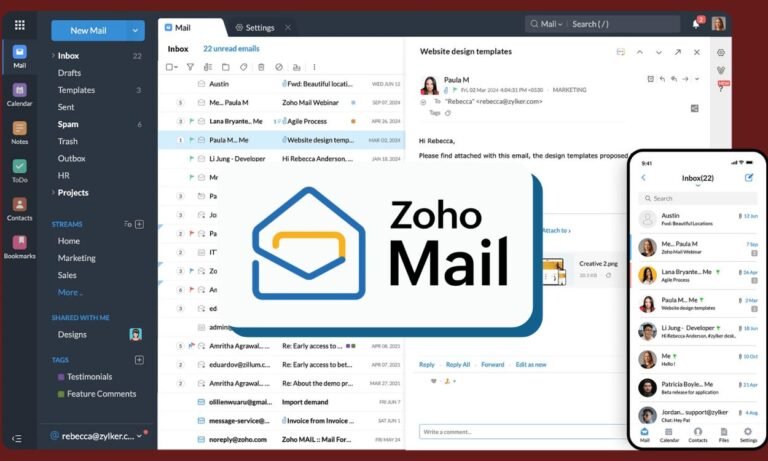
In a significant endorsement for homegrown technology, Union Home Minister Amit Shah announced on Wednesday that he has switched to Zoho Mail for his official government communications. The move signals growing trust in the Chennai-based software firm’s robust privacy and security features at the highest levels of the Indian government.

Shah joins a list of senior cabinet ministers, including Ashwini Vaishnaw (Railways and IT), Piyush Goyal (Commerce), and Nirmala Sitharaman (Finance), who have already adopted Zoho’s products. This collective shift is being viewed as a strong push for self-reliant, Indian-built technology solutions to handle sensitive government data.

The timing of the announcement is particularly noteworthy, as it coincides with Zoho’s plan to accelerate the rollout of end-to-end encryption (E2EE) across its suite of applications, a move aimed at making its platform one of the most secure in the world.

Zoho Doubles Down on Privacy

In a series of social media posts on Wednesday, Zoho’s chief scientist and co-founder, Sridhar Vembu, detailed the company’s ambitious privacy-first architecture. Currently, Zoho encrypts all user data on its disk storage, with a strict no-employee-access policy. However, the upcoming E2EE system will take this a step further.

Under the new model, all user data will be stored exclusively on the user’s device. Data will not be sent to the cloud unless a user explicitly opts for an encrypted backup, which would be protected by device-specific keys. Vembu emphasized that this architecture will make it technically impossible for corporate or personal data to be mined for targeted advertising—a direct challenge to the business models of many global tech giants.

Arattai Messenger to Get E2EE First

The company is currently testing this advanced encryption on its instant messaging app, Arattai. Vembu explained the difference between the consumer-focused Arattai and its business-oriented counterpart, Zoho Cliq.

“Zoho Cliq, from which Arattai started, keeps data in cloud storage because business users and admins need search, filtering, archiving, integration and other functions,” he explained. “We are actually turning off that cloud storage in Arattai to offer end-to-end encrypted chat.”

While the E2EE feature was originally slated for a November rollout, Vembu confirmed the company is now fast-tracking the process. “We have accelerated the schedule now,” he wrote in a post on X (formerly Twitter).

This strategic push aligns with the company’s core philosophy. In a recent interview with ET, Zoho CEO Mani Vembu had stated, “Trust is our currency.” He highlighted that the company was betting on data localization and an ad-free model to scale its homegrown applications like the Arattai messenger and its office suite, positioning privacy as its key differentiator in a competitive market.

Gmail Exodus? Why Users Are Switching to This Ad-Free, Privacy-Focused Alternative

0

In an increasingly crowded digital landscape, a growing number of users are seeking refuge from data-hungry tech giants, and Google’s ubiquitous Gmail is no exception. Zoho Mail is rapidly emerging as a popular alternative for professionals, small businesses, and everyday users who are prioritizing a private, ad-free, and productivity-oriented email experience.

The shift is fueled by a desire for greater control and a cleaner inbox. Unlike Gmail, which scans email content to serve targeted ads (unless you have a paid Google Workspace account), Zoho Mail offers a completely ad-free interface across all its plans, including the free tier. This commitment to privacy, combined with robust features like custom domain support and strong encryption protocols, is making it a compelling choice.

For those tired of a cluttered interface and concerned about how their data is being used, making the switch is surprisingly straightforward. If you’re considering a move, here’s a simple guide to transfer your entire email setup from Gmail to Zoho Mail without losing any of your important data.

How to Seamlessly Migrate from Gmail to Zoho Mail

The process involves enabling access in your Gmail account and then using Zoho’s built-in tools to pull your data across. Follow these five steps for a hassle-free transition.

Step 1: Create Your Zoho Mail Account

First, you need a destination for your emails.

  • Visit the official Zoho Mail website.
  • You can sign up for the “Forever Free Plan,” which offers 5GB of storage and support for a single custom domain, or choose a paid plan if you require more storage and features.

Step 2: Enable IMAP Access in Gmail

To allow Zoho Mail to import your old emails, you need to enable IMAP (Internet Message Access Protocol) in your Gmail settings.

  • Log in to your Gmail account.
  • Click the Settings gear icon in the top-right corner and select “See all settings.”
  • Navigate to the “Forwarding and POP/IMAP” tab.
  • In the “IMAP access” section, select “Enable IMAP.”
  • Click “Save Changes” at the bottom.

Step 3: Use Zoho’s Built-in Migration Tool

Zoho makes the import process easy with its user-friendly migration wizard.

  • Log in to your new Zoho Mail account.
  • Go to Settings > Import/Export.
  • Use the Migration Wizard to begin the process. You will be prompted to enter your Gmail credentials to authorize the connection.
  • You can choose to import your emails, folders, and contacts directly from Gmail. The tool will replicate your existing folder structure, keeping your inbox organized just the way you like it.

Step 4: Set Up Email Forwarding from Gmail

To ensure you don’t miss any new emails sent to your old address during the transition, set up automatic forwarding.

  • Go back to your Gmail Settings > Forwarding and POP/IMAP.
  • Click “Add a forwarding address” and enter your new Zoho Mail address.
  • Gmail will send a verification code to your Zoho Mail inbox. Enter this code back in Gmail to confirm.
  • Once verified, select the option to “Forward a copy of incoming mail to…” and choose your Zoho Mail address from the dropdown.

Step 5: Update Your Contacts and Services

The final step is to make your new address official.

  • Inform your key contacts about your new email address.
  • Take the time to update your email address across all important online services, such as banking, social media, subscriptions, and any other accounts linked to your old Gmail. This will ensure you don’t miss critical notifications in the future.

By following these steps, you can smoothly transition to a more private and productive email environment without leaving your valuable data behind.

AI Deepfake Nightmare: IT Student Suspended for Creating Over 1,000 Obscene Images of 36 Women Students

0

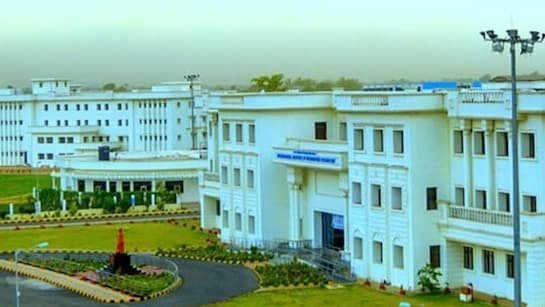
Chhattisgarh: A chilling case of technological misuse has rocked the International Institute of Information Technology (IIIT) in Naya Raipur, where a third-year student has been suspended for allegedly using Artificial Intelligence (AI) to create over a thousand obscene, morphed images and videos of his female peers.

​The accused, a student in the Department of Electronics and Communication Engineering, was identified after 36 women students collectively lodged a complaint with the institute’s administration on Monday, October 6th.

​According to institute officials, an initial search of the student’s belongings—including his laptop, mobile phone, and pen drive—led to the recovery of over 1,000 compromising photos and videos. The content is believed to be digitally generated deepfakes, created by manipulating original images of the students without their consent.

​”A three-member staff committee, comprised of women, has been formed to investigate this serious matter,” said Professor Srinivas, the institute’s Registrar. “Further action is being taken to ensure that no personal information is leaked, and we are coordinating with cyber experts to verify the digital generation of the content and confirm whether any of it was shared outside the campus.”

​While the college has taken immediate disciplinary action by suspending the student, a formal police investigation is pending. Ashish Rajput, in charge of the Rakhi Police Station, confirmed that authorities are waiting for a written complaint to be filed by the victims or the institute to launch a full-scale legal probe.

​The incident underscores the growing threat of AI-powered deepfake technology being weaponized for digital harassment and gendered violence, prompting calls for stricter regulations and enhanced digital literacy within educational institutions. The women students and their families have demanded swift and strict action against the accused.

Sabarimala Theft Scandal ! the LDF faces an electoral ‘Waterloo’ ahead of the upcoming polls

0

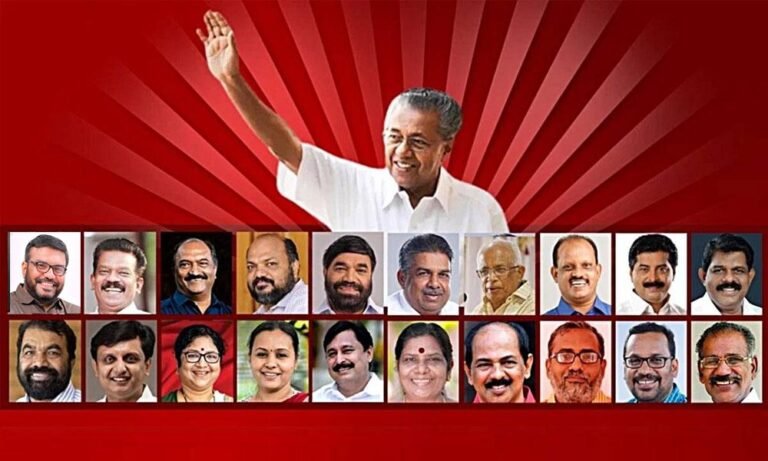
THIRUVANANTHAPURAM: The ruling Kerala government and the Travancore Devaswom Board (TDB) have been severely indicted by a recent High Court verdict concerning the theft at the revered Sabarimala temple, a scandal that is now being described as the LDF’s potential ‘Waterloo’ in the upcoming elections.

Every word of the High Court’s judgment is reportedly a major blow to the administration, placing both former Devaswom Minister Kadakampally Surendran and his successor, the current minister V.N. Vasavan, under intense public scrutiny. Both leaders are essentially forced to “bow their heads” before the people of the state.

The Shocking Cover-Up Allegation

A major point of public outrage stems from the shocking revelation that the temple theft was allegedly known to the authorities much earlier than they admitted. The inescapable “million-dollar question” being asked across Kerala is: Why did the government and the Board attempt to conceal this? Officials currently have no answer that satisfies the enraged public.

The Sabarimala theft has dominated discussions in every nook and corner of the state. There is a prevailing sentiment that history will record the current administrators as “rulers who stole from the Lord.”

Electoral Disaster Looms

With local body and legislative assembly elections only a few months away, the government is reportedly resorting to every possible tactic to divert public attention. However, these attempts to manage the narrative are proving ineffective.

Political observers believe that should an election be held today, the performance of the ruling Left Democratic Front (LDF) coalition would be devastatingly poor. The popular backlash against the ruling party has reached such a critical level that the government is facing its most significant political challenge yet.

Mumbai-Thiruvananthapuram Special Train Gets New Stop, Full Schedule Revised

0

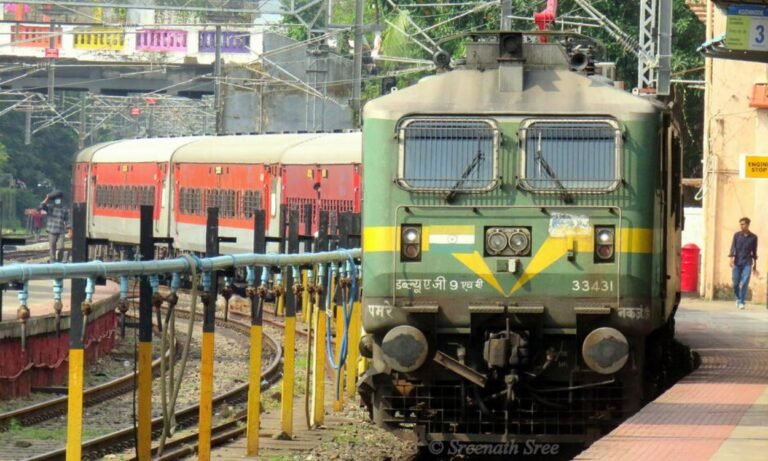
THIRUVANANTHAPURAM: In a significant move benefitting tourists and pilgrims, Southern Railway has announced a new stoppage at Varkala Shivagiri Station for the weekly special trains running between Lokmanya Tilak Terminus (LTT), Mumbai, and Thiruvananthapuram North.

According to a press release (No.456/2025-26) dated October 8, 2025, the timings for the entire route of Train No. 01463/01464 have also been completely revised. The changes will be effective from October 9, 2025, for the service from LTT, Mumbai, and from October 11, 2025, for the service from Thiruvananthapuram North.

The new stop fulfills a long-standing demand of passengers, providing direct connectivity to the major pilgrimage and tourist destination of Varkala, famous for the Sivagiri Mutt and its scenic cliffs.

Revised Timetable and New Stoppage Details

Passengers are advised to take note of the new stoppage and the fully revised schedule. The key timings are as follows:

Train No. 01463 | Lokmanya Tilak Terminus → Thiruvananthapuram North Weekly Special

(Effective from October 9, 2025)

StationArrivalDepartureDay
Lokmanya Tilak Terminus16:00Thursday
Thrissur15:5716:00Friday
Aluva16:5817:00Friday
Ernakulam Town17:3017:35Friday
Kottayam18:3718:40Friday
Kollam20:2720:30Friday
Varkala Shivagiri20:4920:50Friday
Thiruvananthapuram North22:45Friday

Train No. 01464 | Thiruvananthapuram North → Lokmanya Tilak Terminus Weekly Special

(Effective from October 11, 2025)

StationArrivalDepartureDay
Thiruvananthapuram North16:20Saturday
Varkala Shivagiri16:4916:50Saturday
Kollam17:1017:13Saturday
Kottayam19:0019:03Saturday
Ernakulam Town20:4020:45Saturday
Aluva21:1021:12Saturday
Thrissur22:1722:20Saturday
Lokmanya Tilak Terminus01:00Monday

The comprehensive revision of the schedule affects timings at all intermediate stops. Passengers are requested to check the updated schedule on the official Indian Railways website or other railway information portals before planning their journey.

Kerala’s Third Vande Bharat on Ernakulam Route to Counter Festive Bus Fare Hikes

0

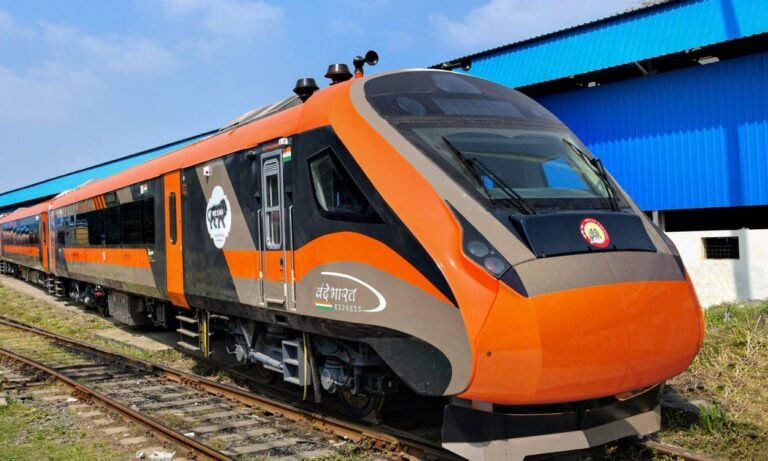
THIRUVANANTHAPURAM: In a move that brings immense relief to tens of thousands of commuters, Kerala has been sanctioned its third Vande Bharat Express, set to operate on the highly sought-after Ernakulam-Bengaluru route. The new semi-high-speed train service is expected to commence by mid-November 2025, BJP State President and former Union Minister Rajeev Chandrasekhar announced on Wednesday.

The announcement fulfills a decade-long demand from the large Malayali population in Bengaluru. More importantly, it is poised to end the rampant fare exploitation by private bus operators who charge exorbitant rates during festive seasons, offering a fast, reliable, and affordable travel alternative.

For the lakhs of Malayalis working in Bengaluru’s IT corridors and other sectors, traveling home during festivals like Onam, Christmas, and Vishu has long been a nightmare. They have often been at the mercy of private bus operators who hike ticket prices exponentially during these peak periods.

Fares on the route, which typically range from ₹1,000 to ₹1,500, often skyrocket to anywhere between ₹3,000 and ₹5,000 for a single journey. With limited seats on existing trains and high demand, passengers have had little choice but to pay these inflated prices. The introduction of the Vande Bharat Express is expected to break this monopoly and curb the practice of price gouging.

“The new Vande Bharat service will be a huge relief for Malayalis in Bengaluru,” Rajeev Chandrasekhar stated. “Currently, there is a huge rush on this route during festive seasons and special occasions. Those who seek other modes of transport have to pay excessive fares.”

Rajeev Chandrasekhar shared the news through a post on his official Facebook page, crediting the swift approval to the central government’s proactive approach. He extended his gratitude to Union Railway Minister Ashwini Vaishnaw and Prime Minister Narendra Modi for their prompt action on the matter, which he had raised with the minister a month ago.

“Thank you, Modi Govt! Thanks to the Central Government for sanctioning the Vande Bharat train from Ernakulam to Bengaluru via Thrissur and Palakkad,” Chandrasekhar wrote. He added that the minister has assured him the service will begin by the middle of November.

The decision to launch a third service comes on the heels of the immense success and high occupancy rates of the first two Vande Bharat trains operating within Kerala. While the announcement brings cheer, official details regarding the train’s final schedule, stops, and fare structure are expected to be released by the Indian Railways Board shortly. The new service is set to significantly reduce travel time between Kerala’s commercial hub and India’s Silicon Valley, marking a new milestone in connectivity between the two states.

A Legacy Under Siege: One Year After Ratan Tata, A Bitter Feud Tears Through Tata Trusts

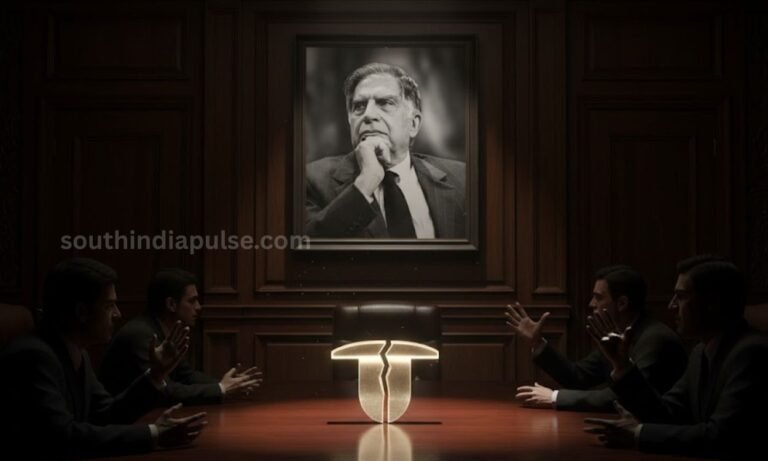
NEW DELHI: As India prepares for a series of events starting Thursday to mark the first death anniversary of Ratan Tata, the nation’s revered industrialist and philanthropist, a dark cloud of discord hangs over his legacy. The very institution he nurtured as the soul of Indian enterprise, the 156-year-old Tata Group, is witnessing an unprecedented and bitter power struggle within its sanctum sanctorum—the Tata Trusts.

Less than a year after the passing of its patriarch, the guardians of the Tata empire are at war. A schism has ripped through the trustees, pitting Chairman Noel Tata against a formidable faction of board members. The conflict, centered on board appointments and fundamental governance principles, has spiraled into a full-blown crisis, so severe that it has warranted the intervention of the highest echelons of the Indian government. For an institution that has long prided itself on stability, consensus, and ethical governance, this public feud is more than just a boardroom battle; it is a deep wound to what many consider the ‘corporate soul of India’.

The Guardians at War: An Anatomy of the Conflict

The current turmoil eclipses even the ugly public spat of 2016 that led to the ouster of former chairman Cyrus Mistry. This time, the fight is among the custodians themselves. On one side stands Noel Tata, Ratan Tata’s half-brother and Chairman of Tata Trusts, supported by veteran industrialist Venu Srinivasan. Opposing them is a powerful bloc led by Mehli Mistry, a once-close associate of Ratan Tata, and includes influential figures like Pramit Jhaveri, Jehangir HC Jehangir, and Darius Khambata.

The immediate flashpoint for this feud is a deadlock over key appointments to the board of Tata Sons, the group’s holding company in which Tata Trusts holds a commanding 66% stake. The Mistry-led faction ignited the conflict by rejecting a resolution to re-appoint Vijay Singh, a 77-year-old former defense secretary, as a nominee director on the Tata Sons board. This move was technically grounded in a new policy, ironically introduced after Ratan Tata’s death, which mandates annual re-appointments for nominee directors past the age of 75. Faced with staunch opposition, Singh ultimately resigned voluntarily, but the battle lines were drawn.

In a retaliatory move, when the Mistry faction sought to nominate Mehli Mistry to the Tata Sons board, the proposal was vehemently opposed and blocked by Noel Tata and Venu Srinivasan. This tit-for-tat has created a dangerous stalemate.

The depth of the crisis is further underscored by the Mistry camp’s reported rejection of all three high-profile candidates proposed by Chairman Noel Tata for the Tata Sons board. The rejected nominees—celebrated lawyer Behram Vakil, Tata Steel’s successful Managing Director TV Narendran, and banking titan Uday Kotak—are all luminaries in their fields. Their rejection signals that the opposition is not merely procedural but a fundamental challenge to the Chairman’s authority. This gridlock has left three crucial vacancies on the Tata Sons board, following the recent retirements of Ralph Speth (former JLR chief), Ajay Piramal, and Leo Puri, effectively stalling strategic decision-making at the apex of the ₹15.24 lakh crore conglomerate.

The Mehli Mistry Factor: A Story of Loyalty and Alleged Betrayal

At the heart of this conflict is the enigmatic figure of Mehli Mistry. His position is layered with historical irony. Despite being a part of the larger Shapoorji Pallonji family—which owns an 18.37% stake in Tata Sons and has had a historically contentious relationship with the Tatas—Mehli Mistry was a fierce loyalist of Ratan Tata. He famously sided with Ratan Tata against his own cousin, Cyrus Mistry, during the acrimonious 2016 leadership battle.

This history makes his current opposition to the Trust’s leadership deeply significant. Reports suggest that Mehli Mistry feels marginalized and excluded from key decision-making processes since Noel Tata assumed the chairmanship. His faction’s actions are being interpreted as a move to reassert influence and prevent a consolidation of power under the new chairman, transforming a governance debate into a deeply personal power struggle.

A Parallel Crisis: The Shapoorji Pallonji Conundrum

Running parallel to the internal feud is the unresolved, high-stakes issue with the Shapoorji Pallonji (SP) Group. The cash-strapped SP Group is under immense financial pressure, having recently refinanced nearly ₹30,000 crore of debt at an astronomical interest rate close to 20%. For them, liquidating a portion of their valuable stake in Tata Sons is not just an option but a financial necessity.

Their hopes were pinned on a Reserve Bank of India (RBI) mandate that required Tata Sons to be listed as an upper-layer core investment company (CIC), a move that would have allowed the SP Group to sell its shares on the open market. However, with the September 30 deadline now passed and the Tata Group remaining staunchly opposed to listing its holding company, the SP Group is in a precarious position.

A potential truce is now being discussed, involving a settlement where Tata Group entities would buy a part of the SP Group’s stake. This would provide the SP Group with much-needed liquidity without forcing a public listing—a compromise both sides might reluctantly agree to. All eyes are now on the upcoming Tata Trusts board meeting on October 10, where this critical issue is expected to be a central point of discussion.

A National Concern: When Government Is Forced to Intervene

The escalating infighting has sent shockwaves through India Inc. RPG Enterprises Chairman Harsh Goenka articulated this widespread anxiety in an October 6 tweet: “The Tatas are an institution that defines India’s corporate soul. Any internal discord hurts Brand India itself. The government should immediately intervene and support the Tata family restore harmony and ensure the Trusts continue their extraordinary work.”

His call for intervention proved prescient. In an unprecedented move, Union Home Minister Amit Shah recently met with the trustees, urging them to resolve their differences in the ‘Tata way’—through quiet consensus rather than public brawls. He advised them to avoid any adverse fallout from the rift on the operations of Tata Sons. The very fact that the trustees of the nation’s most respected business group had to seek government mediation is seen as a significant embarrassment and a stain on its pristine reputation. Reports also indicate the government’s displeasure with the attempts by four trustees to undermine Chairman Noel Tata’s authority, viewing it as a destabilizing power grab.

The Rust Within: A Legacy at a Crossroads

It is a profound tragedy that less than a year after his passing, the house that Ratan Tata so meticulously built and protected is facing its gravest threat from within. His entire life was a testament to quiet strength, ethical leadership, and the power of consensus. The current spectacle of public discord is a direct repudiation of those values.

One of Ratan Tata’s own quotes now seems chillingly prophetic: “None can destroy iron, but its own rust can.” For the sake of the 156-year-old institution and the interests of its millions of stakeholders, the guardians of the Tata legacy must find a way to cleanse this rust. The upcoming board meeting is not just another corporate gathering; it is a moment of reckoning that will determine whether the Tata Group can heal itself and move forward united, or whether the cracks in its foundation will deepen, forever tarnishing the legacy of the man who was its moral compass.

Hero or Villain? Ratan Tata’s Complex Legacy Debated a Year After His Death

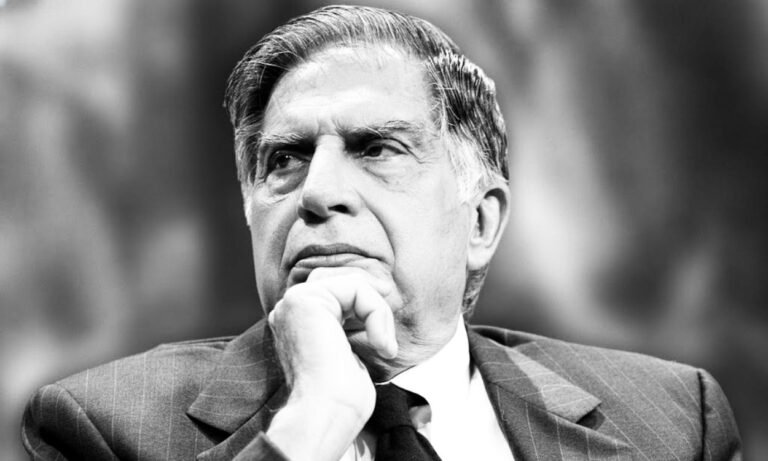
New Delhi: A year after the passing of Indian industrial titan Ratan Tata, the debate surrounding his legacy continues to be as fervent as ever. On one side, he is revered as a symbol of philanthropic leadership and visionary business acumen. On the other, sharp criticism persists regarding the detrimental impact of his corporate actions on marginalized communities. The prevailing argument is that Ratan Tata, and the empire he led, cannot be confined to a simple black-and-white framework of good versus evil.

The Adored Philanthropist

For generations of families in Jamshedpur, famously known as “Tatanagar,” Ratan Tata was more than just an industrialist; he was the bedrock of their lives. His legacy there is defined by the job security, subsidized education, free healthcare, and innovative separation policies that paid salaries until retirement to avoid mass layoffs. Stories of his compassion, such as allowing stray dogs entry into the iconic Taj Mahal Hotel in Mumbai or reportedly cancelling a meeting with Prince Charles to care for his sick pet, paint a picture of a deeply humane individual.

The Other Side of the Coin

However, critics present a starkly different narrative, arguing that billionaires inherently exploit society. They point to dark chapters in the Tata Group’s history, such as the displacement of the ‘Ho’ tribal community from villages like Chirubeda and Balijor for mining operations in Jharkhand’s Saranda forest. Similarly, the Mundra Power Project in Gujarat is heavily criticized for devastating the ‘Wagher’ Muslim minority fishing community. The plant’s hot water discharge destroyed marine life, while ash from the factory contaminated the fish, rendering them unusable and crippling the local economy and environment.

A Man of Contradictions?

Portraying Ratan Tata as purely a hero or a villain is a departure from reality, many argue. His life raises a pertinent question: can one be truly and completely ethical within a capitalist system that is designed to have winners and losers? His legacy is that of a complex individual who did considerable good, yet did not challenge the structural inequalities of the very system that enabled him to amass such vast wealth. In the end, the ongoing debates about his life are not just about him, but about the larger societal conflict between profit and humanity, and our collective discomfort with accepting moral complexity.